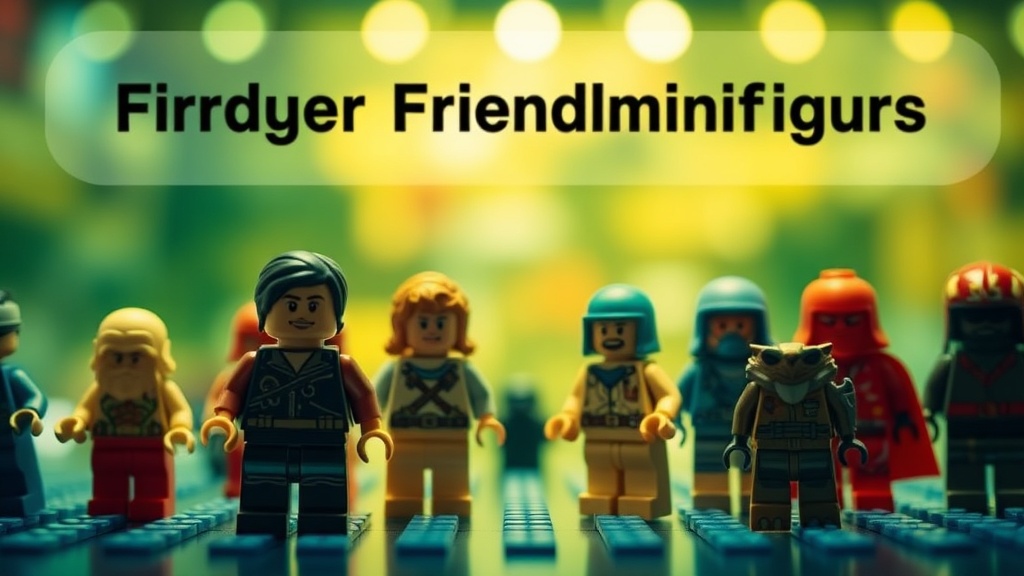
Budget Friendly Ways to Find Rare Minifigures

Nearly 70% of the value in a high-end LEGO collection is often tied up in just a handful of specific minifigures. This means that a single rare figure can sometimes cost more than an entire bulk bin of standard bricks. If you want to build a world-class collection without spending your entire paycheck, you have to change how you shop. This guide explores practical strategies for finding high-value, rare figures using thrift stores, garage sales, and secondary markets without paying the "collector premium."
Where Can You Find Rare LEGO Minifigures for Cheap?
The best places to find cheap, rare minifigures are local thrift stores, garage sales, and flea markets where sellers often don't know exactly what they have. Unlike specialized online marketplaces, these locations rely on "blind" luck. You aren't looking for a labeled box; you're looking for a stray figure hiding at the bottom of a bin or a plastic bag. Most people at these sales are just trying to clear out clutter—they aren't professional archivists.
I've spent many weekends in Oakland thrift shops, and the truth is that many people treat LEGO as just "old toys." They don't realize a specific Star Wars minifigure or a vintage Space figure is worth a significant amount. If you're willing to dig, you'll find gems. It takes patience (and maybe some dusty fingers), but the payoff is huge.
One way to prepare is to study the official LEGO website to understand what modern sets look like, so you can better identify the older, more valuable-looking pieces. If a figure looks slightly different—maybe a different printing style or a classic helmet—pay attention. That's usually a sign of a vintage piece.
Common "Gold Mine" Locations:
- Estate Sales: These are high-yield because families are often liquidating decades of accumulated belongings.
- Garage Sales: Great for finding "bulk" bins where a rare figure might be mixed in with standard bricks.
- Antique Malls: Better for finding high-end, retired pieces that have been sitting in a booth for a while.
- Facebook Marketplace: Excellent for finding local-only deals that avoid heavy shipping costs.
How Do You Identify a Rare Minifigure Quickly?
You identify a rare minifigure by checking the print quality, the specific part-to-set ratio, and the era of production. A fast way to do this is to look for "unique" parts—things like specialized capes, printed arms, or unique headgear that didn't appear in standard sets. If a figure has a piece that looks slightly "off" or custom, it might be a highly sought-after variation.
Don't just look at the face. Look at the legs and the accessories. For example, a figure with a specific weapon or a unique tool can jump the price from $5 to $50 instantly. It’s a bit of a game. You have to become an expert on the "oddities."
When you find something interesting, don't reach for your phone and start typing immediately. It's a bit of a subtle art to keep your cool. If you look too excited, the seller might realize they have a winner and hike up the price. Just grab it, pay, and then do your research once you're home.
To get a baseline for what things are actually worth, check the LEGO Wikipedia page or specialized enthusiast databases. This helps you understand the history of certain themes, like Castle or Space, which are often much more expensive than modern themes.
| Figure Type | Typical Value (Common) | Typical Value (Rare/Vintage) | What to Look For |
|---|---|---|---|
| Star Wars | $3 - $7 | $50 - $200+ | Specific clones or era-specific helmets. |
| Classic Space | $2 - $5 | $30 - $100 | Classic blue/grey color schemes and specific visors. |
| Fantasy/Castle | $1 - $4 | $20 - $60 | edible-looking accessories or unique armor.
Is It Worth Buying Bulk LEGO Lots Online?
Buying bulk LEGO lots is worth it if you are looking for "parts" to build specific figures, but it is a gamble if you are looking for finished, rare characters. You are essentially buying a lottery ticket. You might find a hidden gem, or you might find a thousand broken pieces that you'll never use.
If you want to build a collection of specific characters, buying a "bulk lot" is a slow way to do it. It’s better to buy individual figures. However, if your goal is to find "parts" (like a rare hairpiece or a specific torso), buying a massive bin of unsorted LEGO is a fantastic way to save money. You can often find the "building blocks" of a rare figure for pennies.
Here is a breakdown of the different ways to buy:
- The Specialist Way: Buy specific minifigures from trusted sellers. It's more expensive but guaranteed.
- The Scavenger Way: Buy huge bins of unsorted bricks. This is cheaper but takes much more time to sort through.
- The Collector Way: Buy "sealed" retired sets. This is the most expensive way, but you know exactly what is inside.
If you do end up with a lot of pieces, you'll need a way to keep them organized. Once you've found your treasures, you'll want to make sure they stay in top condition. I've written about how to organize and display your collection to ensure these finds don't just end up in a messy bin again.
One thing to watch out for is "condition." A rare figure with a scratched face or a bent cape is worth significantly less. When buying online, always ask for a photo of the actual figure—not a stock photo. This is a big one. A stock photo looks perfect, but the actual item might be quite beat up.
The catch? Most bulk sellers don't want to spend time cataloging. They just want the items gone. This is your advantage. If you have the patience to sort through a bag of 500 random pieces, you'll eventually find that one figure that makes the whole afternoon worth it. It's a high-effort, high-reward strategy.
If you're worried about the longevity of your finds, remember that even the best-kept figures need care. Proper storage is a huge part of maintaining value. You can check out my tips on caring for and displaying your LEGO minifigs to keep your new acquisitions looking mint.