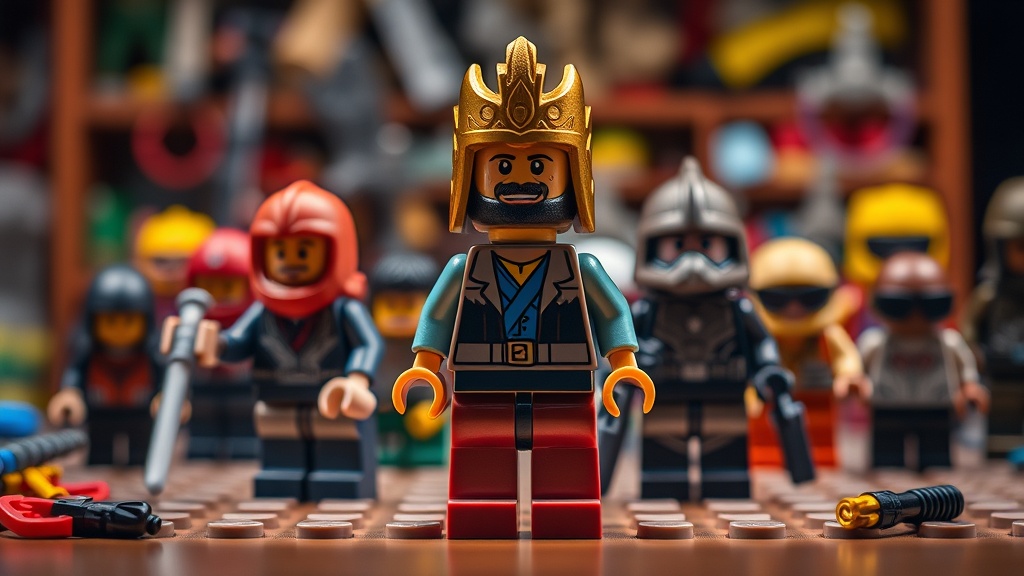
Building a High-Value Minifigure Collection from Scratch

Imagine walking into a local flea market or scrolling through a massive online auction site. You see hundreds of tiny figures, but you have no idea which ones are worth keeping and which ones are just common plastic. Without a strategy, you'll likely end up with a box of clutter rather than a curated collection. This guide focuses on the foundational steps for selecting, sourcing, and identifying high-value minifigures to ensure your investment grows over time.
Collecting isn't just about grabbing whatever looks cool; it's about understanding the market and the physical attributes that drive value. Whether you're looking at licensed sets or purely original designs, knowing what to look for makes all the difference. We'll look at the specific traits that separate a common figure from a collector's prize.
What Makes a Minifigure Valuable?
Value in the minifigure world usually boils down to three things: rarity, condition, and demand. A figure might be rare because it was only produced in a single set for a limited time, or it might be valuable because it features a highly sought-after character. For example, a standard civilian figure is rarely going to see much appreciation in value, but a specific Star Wars character from a limited-run set can skyrocket.
Condition is another massive factor. A figure with a tiny scratch on the printing or a slightly bent limb loses a chunk of its worth immediately. Serious collectors look for "Mint Condition" or "New/Unopened" status. If you're buying used, you have to look closer than most people do. Check the edges of the hair pieces, the clarity of the eyes, and the way the legs attach to the torso. If the plastic looks dull or shows signs of wear, the value is already dropping.
Demand is the wild card. Sometimes, a figure becomes valuable simply because a new movie or game makes that character popular again. This is why tracking trends is a part of the hobby. You might find a great deal on a figure that isn't currently trending, but if you know the history of that character, you can buy low and wait for the hype to hit.
How Do I Identify Rare Figures?
Identifying a rare figure requires a bit of detective work. You can't just rely on your eyes; you need to verify the printing and the molds. Many collectors use databases to cross-reference what they find. One of the best ways to verify a figure's identity is to look at the part numbers or the specific mold shapes. A slightly different leg shape or a unique torso print can be the difference between a $5 figure and a $50 figure.
One way to start is by looking at the printing quality. High-value figures often have incredibly detailed, crisp printing. If the lines are blurry or the colors seem slightly off-center, you might be looking at a counterfeit or a low-quality knockoff. You can often find legitimate piece lists on sites like Brickset to verify exactly what a figure should look like. This helps you confirm if the piece you're holding is the official version or a common variation.
Don't forget to check the accessories. Sometimes the figure itself is common, but the accessory it comes with is the real prize. A specific tool, weapon, or even a unique hat can change the entire valuation of the piece. Always research the set the figure originally belonged to. This provides context that a simple search for "yellow man with hat" never will.
Common Pitfalls to Avoid When Buying
One of the biggest mistakes new collectors make is overpaying for common figures because they look "special." Just because a figure has a unique color doesn't mean it's a collector's item. Many colors are just seasonal or limited-run variations that don't hold much value in the long run. Always check the secondary market prices on BrickLink before you commit to a purchase.
Another pitfall is ignoring the "feel" of the plastic. If a figure feels too light or the joints are too loose, it's a red flag. Authentic pieces have a certain weight and tension that mass-produced knockoffs lack. If you're buying online, always ask for high-resolution photos of the actual piece, not just a stock image. A stock image won't tell you if the figure has a scuff on the cheek or a faded torso.
| Factor | Common Figure | Collector Figure |
|---|---|---|
| Printing | Simple/Minimal | Intricate/Detailed |
| Availability | Mass Produced | Limited/Set-Specific |
| Condition | Play-Worn | Mint/Unopened |
| Value Driver | Nostalgia | Rarity & Demand |
Building a collection is a marathon, not a sprint. If you focus on quality over quantity, you'll find that your collection grows in both meaning and value. Start small, learn the nuances of the different eras, and always do your research before you spend a dime. The more you know about the history of these small plastic people, the better your eye will become.