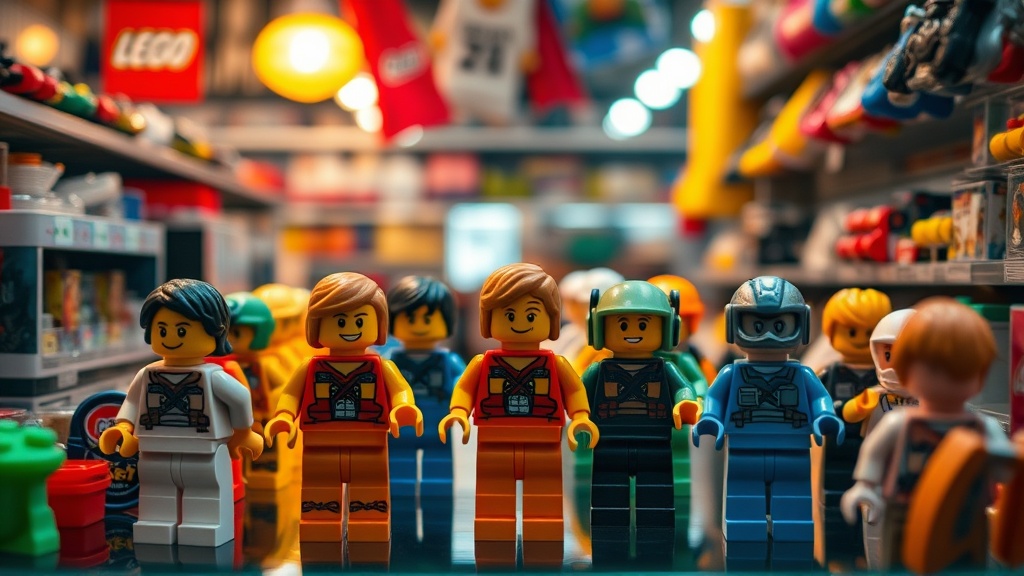
Finding High-Quality Minifigures at Local Thrift Stores

How do I find good minifigures in a thrift store?
Have you ever walked into a local secondhand shop and felt a sudden rush of excitement at the sight of a plastic bin filled with assorted toys? It's a common experience for collectors. You're looking for that one rare piece—a specific Star Wars character or a limited-release figure—but often, you find nothing but generic pieces or broken parts. Finding high-quality minifigures in thrift stores requires a different approach than hunting on specialized auction sites. You aren't just looking for value; you're looking for condition and authenticity in an environment that isn't designed for preservation.
Thrift stores are unpredictable. One day you find a goldmine of vintage pieces, and the next, you're staring at a bin of mismatched parts. To succeed, you need to train your eyes to look for specific markers of quality. This guide covers the practical steps for scouting, identifying, and purchasing minifigures from non-specialized retailers without getting burned by bad buys.
What should I look for when inspecting used figures?
When you're digging through a bin, you can't rely on a professional grading service. You have to be your own expert. The first thing to check is the physical integrity of the figure. Are the limbs loose? Does the torso have cracks or stress marks? While a little wear is expected in secondhand shops, deep scratches or discolored plastic can be a red flag. Look closely at the print quality on the face and torso. If the printing looks faded or smeared, the figure has likely been handled heavily or exposed to harsh environments.
Another aspect to consider is the presence of "yellowed" plastic. Older figures, particularly those from the 1980s or 1990s, often show signs of age-related discoloration. If you see a figure that looks slightly off-white or yellowish, it’s a sign of UV exposure. While some collectors actually seek out certain vintage aesthetics, for most, this indicates a lack of proper storage. You can check the LEGO quality standards to understand what a factory-perfect piece should look like compared to a heavily used one.
Is it worth buying bulk bins at thrift shops?
Buying a large bin of mixed figures can be a high-risk, high-reward strategy. If you're looking for a single specific character, buying a bin is often a waste of time. However, if you're a builder who needs a steady supply of common parts for custom creations, it's a great way to stock up. If you decide to go this route, always check the weight and texture of the pieces. If they feel exceptionally light or have a strange texture, they might not be genuine. You can find more information about verifying authenticity on sites like BrickLink, which remains the gold standard for collectors.
| Inspection Point | What to Look For | Red Flag |
|---|---|---|
| Printing | Sharp, clear lines | Blurry or faded graphics |
| Joints | Firm, steady movement | Loose or wobbly limbs |
| Plastic Color | Consistent, bright hues | Yellowing or discoloration |
| Surface | Smooth, no visible scratches | Deep scuffs or cracks |
One tip I've learned is to carry a small, bright flashlight. Thrift stores often have dim lighting, making it hard to see fine details or subtle cracks. A quick light inspection can reveal a chipped arm or a poorly printed face that you would have otherwise missed. Don't be afraid to ask the clerk if you can look closer at a specific item—most are used to people examining their wares.
Lastly, keep an eye on the accessories. A figure might look great, but if it's missing its signature tool or weapon, the value drops significantly. For many collectors, a complete set is the only way to go. If you find a figure that is nearly perfect but missing a small piece, consider whether you can find that replacement easily online before you commit to the purchase.
Don't forget to check the feet. Sometimes, the way a figure stands can tell you a lot about the tension in the leg joints. If a figure can't even stand upright on its own, the plastic might be fatigued. This is especially common in older figures that have been sitting in bins for years. Always take a moment to test the basic functionality of the figure before you head to the register. It's better to lose a few dollars on a bad find than to spend a lot on a piece that's fundamentally broken.