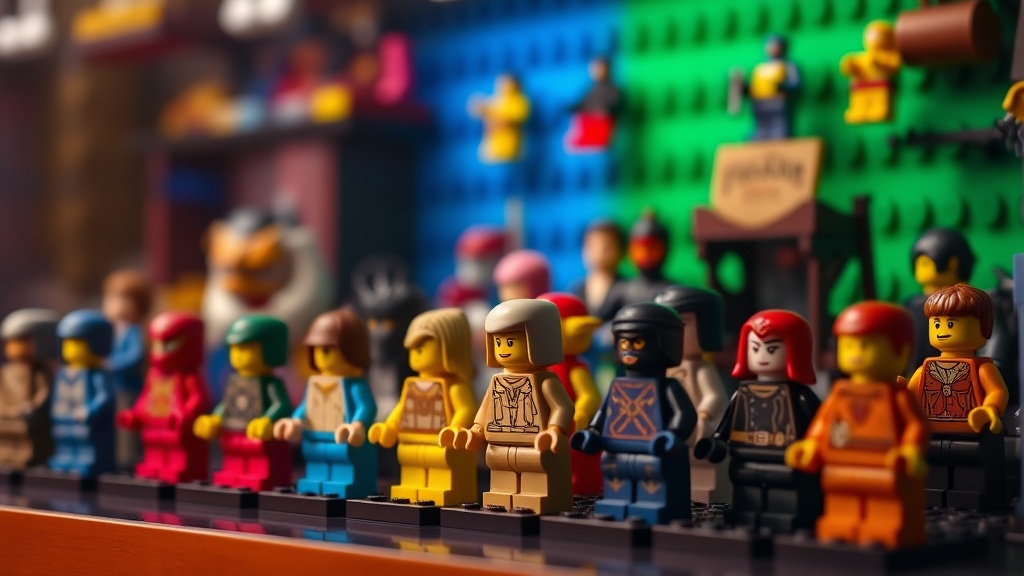
How to Create the Perfect LEGO Minifigure Display

What Display Options Work Best for LEGO Minifigures?
Acrylic display cases, shadow boxes, and IKEA-led shelving rank among the most effective solutions for showcasing LEGO minifigures. The right choice depends on collection size, available space, and how much protection each figure needs against dust, sunlight, and curious hands.
Collectors often underestimate how quickly a modest collection becomes overwhelming. A single LEGO CMF (Collectible Minifigure) series contains 12 to 16 figures. Multiply that across multiple series, Star Wars sets, Harry Potter waves, and exclusive promotional figs — suddenly, you've got hundreds of tiny plastic characters and nowhere to put them. Here's the thing: a thoughtful display isn't just about aesthetics. It's about preservation. Minifigures left in drawers suffer from faded printing, cracked plastic, and lost accessories.
Before diving into specific products, consider three factors: visibility (can you actually see and enjoy the figures?), accessibility (how hard is it to rearrange or add new arrivals?), and environmental control (UV exposure and humidity are silent killers). The display that works for a dorm room differs wildly from what a serious collector in Oakland might build into a dedicated collection room.
Acrylic Cases: The Gold Standard
Acrylic display cases offer museum-quality visibility without the museum price tag. Brands like Wicked Brick and IKEA's SAMMANHANG series produce stackable, dust-proof solutions designed specifically for minifigures. These cases typically feature stepped platforms — each figure stands on a slightly higher level than the one in front, ensuring every face remains visible.
That said, not all acrylic is created equal. Cheaper alternatives from Amazon often arrive scratched, chemically cloudy, or with bases that warp under the weight of dozens of figures. The BrickVault Supreme Case runs around $45 for a 24-figure unit, while generic alternatives might cost half that — but you'll replace them twice as often. Worth noting: UV-resistant acrylic costs more upfront but pays for itself when rare figs like Mr. Gold or the 14k gold C-3PO don't yellow in direct sunlight.
Shadow Boxes and DIY Framing
For collectors who prefer wall-mounted displays, shadow boxes from Michaels or Hobby Lobby provide excellent depth (typically 2 to 4 inches) for posed minifigures. The IKEA RIBBA frame — discontinued but widely available secondhand — became a community favorite because its 9x9-inch size perfectly fits 16 figures on a custom-built insert.
Building custom inserts isn't difficult. Corrugated plastic sheets (Coroplast), available at any sign shop, can be cut to size and layered to create stepped displays. Some collectors use LEGO baseplates glued to foam core, though this limits rearranging. The catch? Wall mounting means drilling holes — not ideal for renters or those with plaster walls.
How Do You Protect Minifigures from Dust and Sunlight?
Enclosed cases with rubber gaskets, UV-filtering acrylic, and placement away from windows provide the best protection. Dust settles on exposed figures within days, and direct sunlight fades printed designs irreversibly within months.
Dust isn't just unsightly — it's abrasive. Those tiny particles scratch glossy surfaces when disturbed. For figures left on open shelves, weekly dusting becomes mandatory. Compressed air (the kind used for keyboards) works, though some collectors swear by makeup brushes — softer, more precise, and oddly satisfying to use.
Sunlight damage follows a predictable pattern. Red bricks and prints fade fastest, followed by yellow and orange. Blue and green hold up better but aren't immune. A minifigure left on a windowsill in Oakland's afternoon sun can show noticeable fading within six months. UV-filtering window film (3M makes excellent options) helps, but the safest bet remains keeping valuable figures out of direct light entirely.
Environmental Controls for Serious Collections
California's climate varies dramatically by region. Oakland's foggy mornings and dry afternoons create less humidity stress than Florida or Houston, but temperature fluctuations still stress plastic over decades. Ideal storage conditions sit between 60-75°F with 40-50% relative humidity. Basements and attics? Avoid them unless climate-controlled.
For high-value pieces — signed figs, SDCC exclusives, prototype prints — consider silica gel packets in sealed cases. These absorb moisture and can be recharged in an oven when saturated. Replace or recharge them quarterly.
What Are the Best Ways to Organize a Large Minifigure Collection?
Organize by theme, color, series, or value — but pick one system and stick with it. Most collectors find theme-based organization most satisfying: Star Wars figs together, Castle together, CMF series grouped chronologically. Others prefer rainbow arrangements for visual impact.
The BrickLink catalog serves as the de facto standard for categorization. Each minifigure has a unique catalog number, and sorting by these numbers creates consistency if you ever sell or trade. That said, pure catalog organization feels clinical. Many collectors use hybrid systems: themes for display, numbered storage for duplicates and investment pieces.
| Organization Method | Best For | Drawbacks |
|---|---|---|
| By Theme (Star Wars, City, Castle) | Visual storytelling; finding related figures quickly | Blurred lines — is Ninja Turtles retro or modern? Where do crossovers go? |
| By Color | Instagram-worthy displays; aesthetic cohesion | Separates related characters; hard to locate specific figs |
| By Series/Release Date | CMF collectors; tracking collection completeness | Requires constant reorganization as new waves release |
| By Value/Rarity | Investment-focused collectors; security prioritization | Requires frequent re-sorting as market prices fluctuate |
| By Catalog Number | Serious archivists; insurance documentation | Completely unintuitive for casual browsing |
Display Rotation Strategies
Not every figure deserves premium shelf space year-round. Seasonal rotation keeps displays fresh and protects valuable pieces from cumulative light exposure. Many collectors maintain "active" displays of 100-200 favorites while storing the remainder in sorted, labeled containers.
Archival storage doesn't mean expensive solutions. Sterilite 6-quart shoeboxes with snap lids cost under $2 and stack efficiently. Add a label maker (Brother P-touch units are reliable) and you've got professional-grade organization. For figures worth hundreds or thousands, individual polybags inside rigid card protectors provide extra security.
How Much Should You Spend on Display Solutions?
Budget $2 to $15 per figure for quality display infrastructure. A 200-piece collection might cost $400-$3,000 to display properly, depending on case quality and whether you DIY or buy pre-made.
Here's the breakdown most experienced collectors follow: for common figures worth under $10, basic acrylic steps or open shelving suffice. For mid-tier figs ($25-$100), individual acrylic cases or high-density stepped displays make sense. For grails — Mr. Gold, solid bronze C-3PO, signed prototypes — custom framing with museum glass isn't excessive, it's insurance.
DIY options dramatically reduce costs. A $25 sheet of Coroplast yields dozens of stepped inserts. LED strip lighting (Govee and Philips Hue make color-adjustable options) costs $20-$60 per display depending on length. The trade-off? Time. Building 20 custom frames takes weekends. Buying pre-made takes minutes.
Lighting Considerations
Poor lighting ruins even the best-organized display. Harsh overhead lights create glare on acrylic cases. Dim corners hide detail. The sweet spot: 4000K-5000K LED strips positioned above and slightly in front of figures, creating even illumination without hotspots.
Color-changing LEDs (popular in TikTok display tours) photograph well but distort perception of actual colors. That vibrant red Iron Man looks different under cool white versus warm amber. For accurate appreciation of printing and plastic colors, neutral white (4500K) remains the professional standard.
Common Display Mistakes to Avoid
New collectors consistently make the same errors. They overcrowd cases, cramming figures shoulder-to-shoulder so no individual piece stands out. They ignore weight limits — acrylic shelves bow when loaded beyond specifications. They place displays near heating vents, accelerating plastic degradation.
Another frequent misstep: failing to secure earthquake-prone areas. California collectors know this well — a minor tremor can send hundreds of figures cascading. Museum putty (QuakeHold! is the standard brand) anchors figures to surfaces without leaving residue. For wall-mounted displays, earthquake straps provide cheap insurance.
The most expensive mistake? Displaying before researching. That "cool old minifigure" from childhood might be a $500 Cloud City Boba Fett. Putting it on an open shelf — exposed to sun, dust, and handling — destroys value faster than leaving it in a drawer. When in doubt, check BrickLink current prices before deciding display priority.
Final Thoughts on Building Your Display
There's no universal "perfect" LEGO minifigure display — only the perfect display for your collection, space, and budget. Start small. Upgrade incrementally. The collector who spends $50 monthly on display improvements outpaces the one who drops $2,000 on day one and burns out organizing.
The best displays tell stories. They group figures by narrative connection — the entire Fellowship of the Ring, CMF Series 1 through 25 in chronological order, every Boba Fett variant ever released. They leave breathing room. They rotate seasonally. Most importantly, they bring daily joy to the collector who built them. After all, these tiny plastic figures represent thousands of hours of hunting, trading, and memories. They deserve to be seen.
Steps
- 1
Choose the Right Display Method for Your Space
- 2
Organize Minifigures by Theme or Series
- 3
Add Lighting and Final Presentation Touches