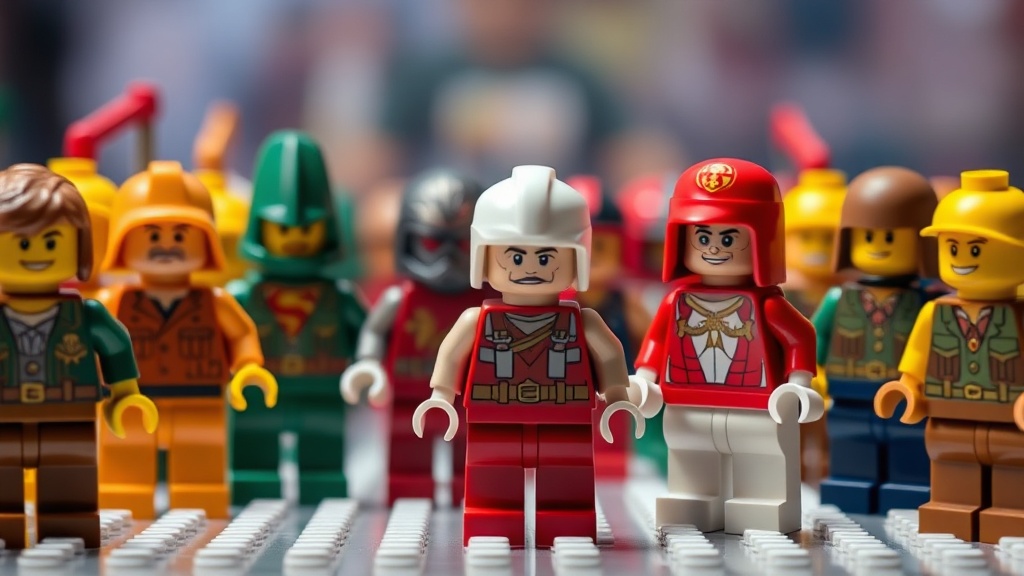
Identifying Authentic LEGO Minifigures vs. Counterfeits

This guide provides the technical markers and physical characteristics required to distinguish genuine LEGO minifigures from popular imitations. Collectors will learn how to inspect printing, part geometry, and material quality to ensure their investments are legitimate.
The market for collectible minifigures is flooded with high-quality imitations—often referred to as "knock-offs" or "bootlegs." While some collectors seek these out for specific themes, many others want to ensure they aren't paying premium prices for fake products. Distinguishing a real figure from a fake isn't just about the logo; it's about a deep dive into the manufacturing physics of the plastic itself.
How can I tell if a LEGO minifigure is real?
The first thing you should check is the physical imprint on the figure's parts. Authentic LEGO pieces will have a registered trademark symbol (often a small "LEGO" or a stylized logo) and a specific part number molded into the plastic. This is most visible on the inner leg or the underside of the feet. If the surface is completely smooth or lacks any brand markings, you're likely looking at a non-official product.
Another major giveaway is the quality of the printing. LEGO uses high-precision pad printing for facial features and torso details. On a genuine figure, the lines are sharp, the colors are consistent, and the ink doesn't smear when you look closely. Counterfeit figures often have slightly blurry edges or colors that look "fuzzy." If the eyes are slightly asymmetrical or the torso print looks like a low-resolution sticker, proceed with caution.
"A genuine collector's eye looks past the shape and focuses on the microscopic precision of the printing."
You should also examine the hand and leg connectivity. Genuine LEGO parts are designed with tight tolerances. When you snap a minifigure hand onto a torso, it should feel firm yet smooth. If the fit is incredibly loose or, conversely, so tight that you fear breaking the plastic, it's a sign of inferior manufacturing. The plastic itself also tells a story. LEGO uses high-grade ABS plastic, which has a specific weight and a matte-to-slight-gloss finish. Cheap imitations often feel lighter, more brittle, or have a strange, greasy texture to the touch.
Where should I look for the LEGO logo on parts?
Most people only check the legs, but the search for authenticity should be more thorough. Check the neck piece (the part between the head and the torso) and the inside of the arms. While not every single part of a minifigure will bear the logo, the most significant structural pieces usually do. A lack of branding on the neck or the inner thigh is a major red flag.
For those collecting older or vintage sets, the branding might be less prominent due to wear, but it should still be there. You can cross-reference part numbers with official databases or enthusiast sites like BrickLink to verify if the specific part number actually exists in the official LEGO catalog. If the part number doesn't show up in a global database, you've likely found a fake.
Common Red Flags in Counterfeit Figures
Below is a quick-reference table to help you during your next hunt:
| Feature | Authentic LEGO | Counterfeit/Imitation |
|---|---|---|
| Printing | Sharp, precise, centered | Blurry, faded, or misaligned |
| Plastic Texture | Smooth, high-quality ABS | Greasy, rough, or brittle |
| Branding | Clear trademarks on legs/feet | No marks or incorrect logos |
| Joint Tension | Firm, consistent snap | Too loose or overly difficult |
The color profile is another area where imitations fail. Authentic LEGO colors are consistent across different production runs. If you have a collection of a specific character and one figure has a noticeably different shade of yellow or blue, it's likely a counterfeit. This is especially common in large-scale bulk buys where manufacturers mix genuine parts with cheaper alternatives to save costs.
Lastly, pay attention to the hair and accessories. Accessories like swords, capes, or specialized helmets are often the easiest parts to forge because they don't require the same level of complex internal molding as a torso. If a cape feels like thin, cheap polyester rather than a structured fabric, or if a weapon feels unnaturally light, the figure is likely not genuine. For more detailed technical specifications on various plastic types, you can check the standards at ISO regarding plastic manufacturing standards.
Always remember that while some "fake" brands make parts that look nearly identical, the value lies in the authenticity. If you are building a collection for long-term value, the slightest deviation in material quality can be the difference between a centerpiece and a piece of junk. Trust your tactile senses: if it feels wrong, it probably is.