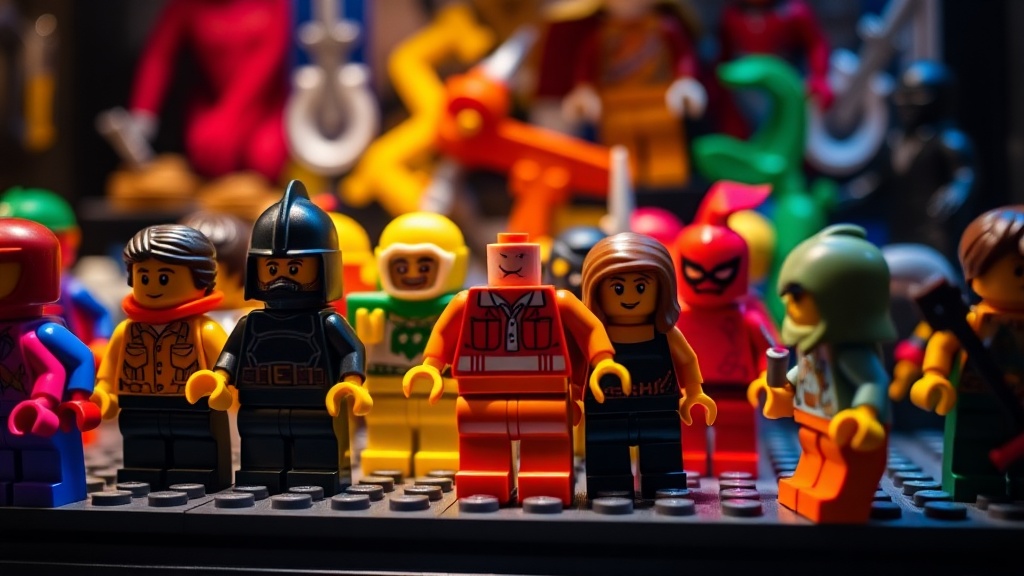
Keep Your LEGO Minifigs Vibrant: Avoid This Common Display Mistake

Quick Tip
Always display and store LEGO minifigures away from direct sunlight and heat sources to prevent fading, brittleness, and cracked plastic.
This post explains how ultraviolet light damages printed plastics and what display choices keep a collection looking factory-fresh for years. Whether the shelf holds a single Series 27 figure or a complete Marvel Infinity Saga lineup, one simple habit makes the difference between vivid colors and washed-out regret. You don't need a vault—just a basic understanding of where UV hits hardest and which cases actually block it.
Why do LEGO minifigs fade over time?
UV light breaks down the pigments and ABS plastic in printed torsos, legs, and accessories. Sunlight streaming through a window—especially in sun-heavy regions like California or Arizona—can bleach a rare Mr. Gold or Stan Lee figure in a matter of months. Even indirect daylight adds up. The catch? Many collectors don't notice the shift until it's too late. (By then, that bright red Spider-Man torso has turned a dull brick orange.) Darker colors—blues, reds, and blacks—often fade fastest because the dyes absorb more energy.
What's the safest way to display LEGO minifigures?
The safest approach is a glass-front cabinet or acrylic case positioned away from direct sunlight. The IKEA DETOLF is a budget favorite among builders, though it lacks UV protection out of the box. For serious collectors, companies like Wicked Brick sell custom UV-blocking acrylic cases sized for specific themes—Star Wars, Harry Potter, or the Collectible Minifigures Series.
Here's the thing: not all "clear" cases are equal. Standard acrylic blocks dust but does almost nothing against UV rays. Look for products labeled "UV400" or "99% UV protection." LED strip lighting inside a case is perfectly safe—unlike halogen or incandescent bulbs, LEDs emit virtually no ultraviolet radiation. (Philips Hue light strips, for example, run cool enough to sit right beside a display case.) That said, heat from poorly ventilated LED strips can still warp thin accessories (capes, wands, and lightsabers) over time, so leave a little breathing room.
| Display Method | UV Protection | Cost Range |
|---|---|---|
| Open shelf (near window) | None | $0 |
| IKEA DETOLF | Minimal (add film) | $70–$90 |
| Wicked Brick UV case | High (99%) | $40–$150 |
| Closed closet/storage bin | Total | $10–$30 |
Can faded LEGO minifigs be restored?
Yes—sometimes. The "retrobright" method (a hydrogen peroxide treatment under UV lamps) can lift yellowing from white and light gray plastics. That said, it won't restore lost printing. For figures with damaged decals, replacement via BrickLink is often the only fix. The process is tedious but surprisingly affordable for common parts.
Collectors in Oakland's sunny climate face extra risk. A shelf near a south-facing window turns into a slow oven for plastic. Move figures just three feet deeper into a room and the daily UV exposure drops by roughly half. Worth noting: window tinting film—brands like 3M or Gila—costs under $30 and blocks a significant share of incoming rays without turning the living room into a cave.
You've spent time hunting down that Series 10 Paintball Player or the 2012 Iron Man variant. Don't let a sunny windowsill undo the effort. Keep minifigs out of the sun. It's that simple.