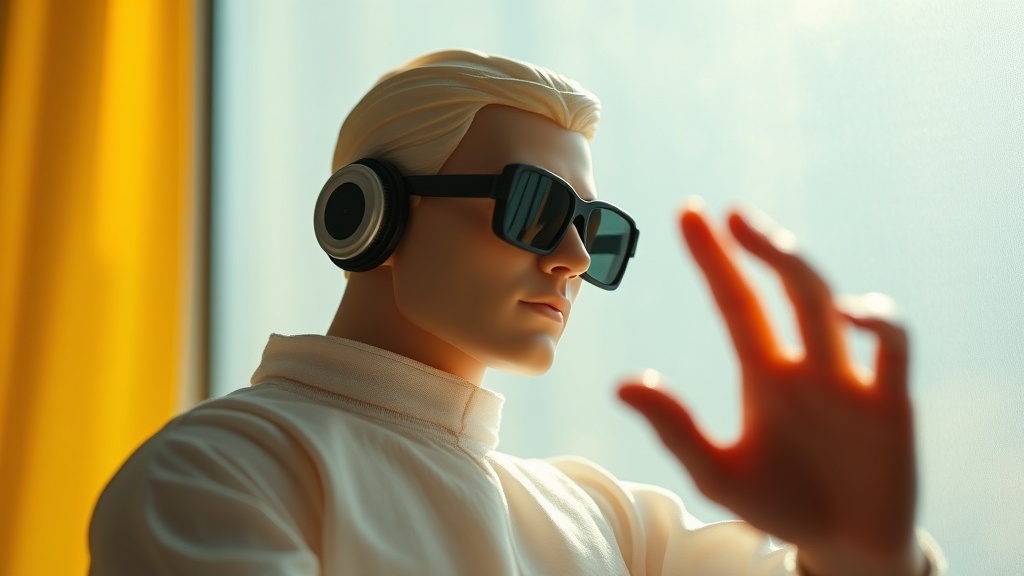
Managing UV Exposure and Light Damage for Plastic Figures

What Happens When Sunlight Hits Your Collection?
This post explains how ultraviolet (UV) radiation affects the chemical composition of ABS plastic and the pigments used in minifigure printing. You'll learn why certain colors fade faster than others and how to adjust your environment to prevent permanent discoloration. Keeping your figures in pristine condition requires understanding the specific ways light breaks down polymers—it isn't just about dust, it's about light-induced degradation.
Light damage isn't always obvious at first. You might notice a subtle shift in a figure's skin tone or a slight dulling of a bright red cape. This is often the result of photodegradation. When high-energy UV rays strike the plastic, they break the molecular bonds of the material. This process, often called "yellowing" in the collector community, is particularly common in white and light gray pieces. If you've ever wondered why a pristine white minifigure looks yellowish in a photo compared to your eyes, it's likely because the UV light has already begun altering the surface.
The pigments used in printing are also vulnerable. A vibrant teal or a deep magenta might look spectacular under a standard LED, but if that figure sits near a window, those colors will eventually lose their saturation. This isn't just a superficial issue; it's a chemical change. Once the pigment has degraded, there is no way to reverse the process. You can't "un-fade" a figure. This makes prevention the only real strategy for long-term preservation.
Does UV Light Cause Permanent Yellowing?
Yes, UV light is the primary culprit behind the yellowing of white and light-colored LEGO elements. This happens because the additives used to keep plastics stable can react to light and heat. Even if you aren't in direct sunlight, ambient UV rays from a nearby window can cause gradual changes over several years. Many collectors use specialized UV-filtering films on their windows to combat this, but it's a constant battle.
To see how much light exposure truly matters, look at how different materials react. For instance, certain types of plastics used in older sets are more prone to this than modern batches. You can research more about the chemical properties of plastics via the ScienceDirect database to understand how polymers break down under stress. While it might seem like a minor detail, the long-term stability of your collection depends on minimizing this exposure. If you leave a figure on a windowsill, even in a shaded area, the cumulative effect of UV exposure will eventually show.
One thing to remember: heat and light often go hand in hand. A display case that gets warm due to direct sunlight will experience faster degradation. The heat accelerates the chemical reaction of the UV light, making the plastic more brittle and more prone to color shifts. It's a double-edged sword that can ruin the resale value of high-end figures or rare pieces quite quickly.
How Do I Prevent Color Fading in My Display?
The most effective way to prevent fading is to control your light source. Avoid using incandescent bulbs in your display cases, as they emit significant heat and a small amount of UV. Instead, stick to high-quality LED lighting. LEDs are much safer for your collection because they produce very little heat and virtually no UV radiation. If you are using a dedicated display case, make sure the light source is positioned to illuminate the figures without creating "hot spots" of intense light.
Here are a few practical steps you can take right now:
- Use UV-Protective Acrylic: If you use acrylic display boxes, look for those that specifically mention UV-filtering properties.
- Rotate Your Display: Don't let the same figure sit in the same position for years. Moving them around can help distribute any potential light damage, though this is more of a mitigation tactic than a total solution.
- Monitor Your Environment: Keep your collection in a room with consistent temperature and low light. A room that is frequently used for movies or stays dark most of the day is better than a bright sunroom.
If you want to check the current market trends for high-end display cases that offer these features, the LEGO official site often features various display-ready sets, though many collectors prefer third-party UV-protected cases for specialized collections. The goal is to create a controlled environment where the variables—light, heat, and humidity—are kept at a minimum.
When you're looking at your collection, don't just see the figures; see the materials they are made of. A piece of ABS plastic is a complex polymer designed for strength, but it's still subject to the laws of physics and chemistry. A collector who understands that light is a slow-acting agent of change will always have a more vibrant, colorful collection than one who ignores it. It's about the long game. You aren't just displaying toys; you're preserving a piece of history that you want to look exactly the same ten years from now as it does today.
Keep an eye on your most light-sensitive pieces—the ones with bright, saturated colors or those that are stark white. If you notice even a slight change in hue, it's a sign that your current lighting setup might be too aggressive. Adjusting your setup now will save you a lot of heartbreak later when you're trying to sell or trade a piece that has lost its luster. It's a small price to pay for the longevity of your collection.