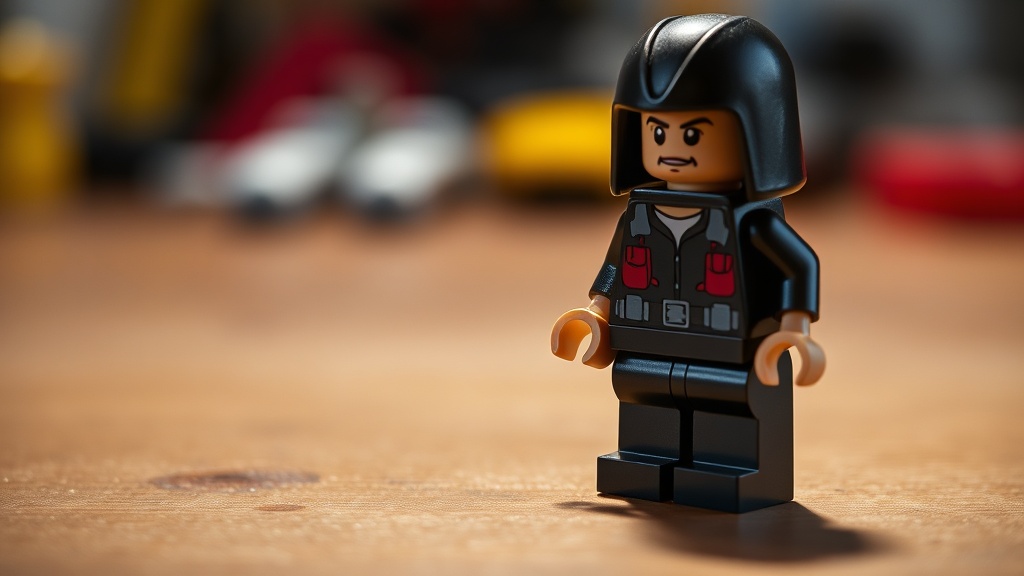
Removing Stubborn Scratches from Minifigure Surfaces

A single microscopic scratch on a rare minifigure can drop its market value by as much as 30% depending on the rarity of the piece. This post covers the technical methods for identifying, treating, and preventing surface abrasions on ABS plastic LEGO minifigures. We'll look at safe polishing techniques, the risks of abrasive compounds, and how to handle different types of surface damage without ruining the print quality.
Most collectors assume that once a scratch is there, it's permanent. That's not always true. While you can't "heal" plastic, you can often level the surface to make the defect less visible to the naked eye.
How Do I Remove Scratches from LEGO Minifigures?
You can remove light surface scratches by using a specialized plastic polish or a very fine micro-abrasive compound applied with a soft microfiber cloth. Most scratches on minifigures are actually "scuffs"—shallow indentations that haven't actually breached the plastic's structural integrity. If the scratch is deep enough to feel with a fingernail, you've likely moved beyond simple polishing and into the realm of permanent damage.
Before you touch a single figure, you need to identify the type of surface you're working with. A standard minifigure head or torso is made of Acrylonitrile Butadiene Styrene (ABS), which is a relatively tough thermoplastic. However, certain parts—like translucent elements or specialized pieces—react differently to friction and heat.
Here is the general hierarchy of surface treatment, moving from the least aggressive to the most aggressive methods:
- The Dry Buff: Using a clean, high-quality microfiber cloth to buff the area in circular motions. This works for light scuffs caused by friction against other bricks.
- The Water Method: Using a damp (not soaking) cloth to lift surface grime that might be mistaken for a scratch.
- The Polishing Compound: Using a tiny amount of a non-abrasive plastic polish (like those used for high-end toy restoration) to level the surface.
- The Wet Sanding Method: This is high-risk. It involves using extremely high-grit sandpaper (3000+ grit) and water to smooth out a physical gouge.
I've seen collectors try to use toothpaste to fix scratches. Don't do that. Most toothpastes contain silica or other abrasives that are too harsh for the delicate printing on a LEGO torso. You'll end up scrubbing the character's face right off the plastic.
Can I Fix Scratches on Printed Parts?
You should avoid using abrasive polishing methods on printed surfaces because the friction can wear down the ink or pad printing. If you're working on a torso or a face, your goal is to clean the surface rather than "sand" it. The ink used in LEGO's pad printing process sits on top of the plastic, and it's much more fragile than the base material itself.
If you have a scratch on a plain, unprinted piece (like a standard 1x1 round plate or a plain helmet), you have much more freedom. But once there's a design involved, you're playing a dangerous game. One wrong move and your $50 Star Wars minifigure becomes a $5 generic figure with a bald head.
Let's look at the different surface types and how they respond to care:
| Surface Type | Risk Level | Recommended Approach |
|---|---|---|
| Plain ABS (Torso/Legs) | Low | Microfiber buffing or light polish. |
| Pad Printed (Face/Design) | High | Gentle cleaning with mild soap and water only. |
| Translucent (Lightsabers/Blasters) | Medium | Specialized plastic polish; avoid heavy sanding. |
| Metallic/Chrome (Specialty) | Extreme | Do not polish; the "shine" is a thin coating. |
That said, if you're dealing with a "shiny" or "greasy" look on a minifigure, it might not be a scratch at all. Often, it's just skin oils or residue from a storage container. Always test with a dry cloth first. If the "scratch" disappears with a gentle wipe, it was just surface residue.
The Dangers of Over-Polishing
The biggest mistake I see in the community is the "more is better" mentality. People think that if a little polish works, a lot of polish will make it look brand new. It won't. It'll just make the plastic look "soft" or even slightly melted. Excessive friction generates heat, and heat is the enemy of precision-molded plastic.
If you use a compound that's too heavy, you'll create a "halo" effect. This is a patch of highly reflective, smooth plastic surrounded by the original matte or satin finish of the figure. It looks terrible under a display light. It's a dead giveaway that the piece has been tampered with.
How Do I Prevent Scratches from Happening?
The best way to manage scratches is to prevent them through proper storage and handling. Use airtight, clear plastic containers or specialized display cases to shield your figures from dust and physical contact with other objects. Avoid storing loose minifigures in large bins where they can rub against each other during movement.
Handling is the second most common cause of surface damage. When you're inspecting a piece, try to hold it by the edges or the base rather than the printed surfaces. Even the natural oils on your fingertips can cause long-term degradation of certain finishes. If you're a high-volume collector or a dealer, wearing lint-free cotton gloves is a smart move—it's a small step that preserves value significantly.
Here are a few quick tips for maintaining a pristine collection:
- Avoid Sunlight: UV rays don't just fade colors; they can make the plastic more brittle and prone to micro-cracking.
- Temperature Control: Don't store your collection near heaters or in uninsulated attics. Extreme temperature swings can cause the plastic to expand and contract, leading to surface stress.
- Bagging: If you're shipping figures, use individual small polybags or padded sleeves. Never let two minifigures touch directly in a shipping box.
If you're looking for more technical data on how plastics age, the National Institute of Standards and Technology provides extensive research on polymer degradation that is highly relevant to long-term toy collecting. It's a deep dive, but it explains why certain plastics become more susceptible to scratching over decades.
One thing to remember: perfection is a moving target. Even the most well-cared-for collections will show some signs of age. The goal isn't to create a museum-grade vacuum seal, but to minimize the inevitable wear and tear that comes with being a fan of a tactile hobby.
When you're deciding whether to attempt a repair, ask yourself: "Is the visual impact of this scratch worth the risk of ruining the print?" If the answer is no, leave it alone. A minor scuff is often better than a botched attempt at a "fix" that leaves the figure looking scarred or melted. Sometimes, the best way to preserve a collectible is to simply respect its original state.
Steps
- 1
Identify the Scuff Type
- 2
Use a Microfiber Cloth
- 3
Apply Mild Polishing Compound
- 4
Buff Gently in Circular Motions