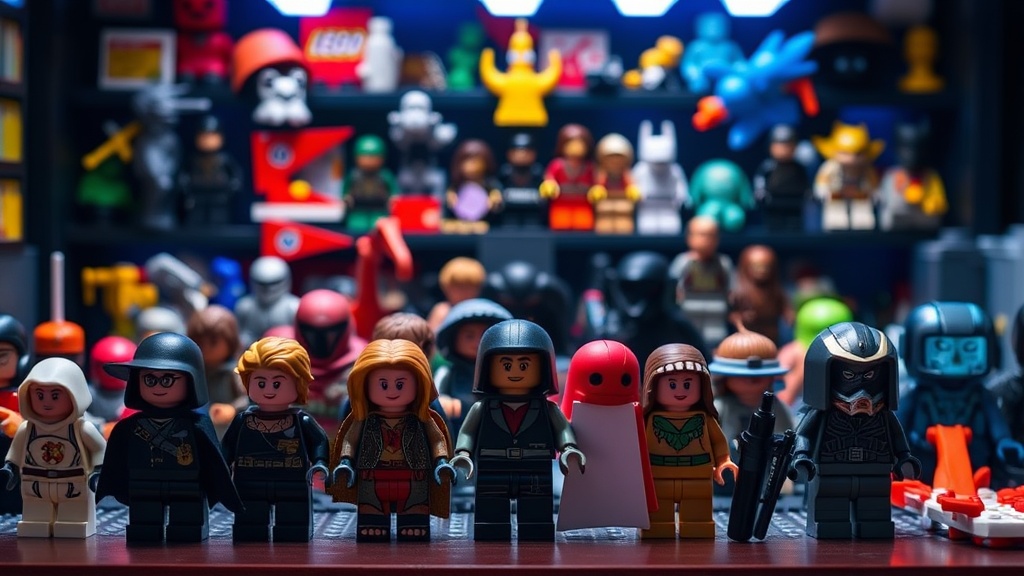
Smart Ways to Organize Your Minifigure Collection by Theme

Are you struggling to find that one specific figure in a sea of plastic?
Organization isn't just about tidiness; it's about preserving the value and accessibility of your collection. When you have hundreds—or even thousands—of figures, a pile of plastic becomes a headache rather than a point of pride. This post covers specific methods for categorizing your figures based on themes, rarity, and cost, ensuring you spend less time searching and more time enjoying your builds.
A disorganized collection often leads to accidental damage. If you're constantly digging through bins to find a specific Star Wars pilot, you're increasing the chance of scratches or lost accessories. A structured system keeps things safe. Whether you prefer a strictly alphabetical approach or a visual-first method, the goal is to create a repeatable system that works for your specific space and budget.
Should I organize by theme or by series?
This is the first big decision every collector faces. If you're a completionist, organizing by theme (like Castle, Space, or Ninjago) makes sense. It allows you to see exactly what you're missing to complete a set. However, if you collect licensed properties, you might find it more intuitive to group by the franchise itself. For example, separating all Marvel figures from your Star Wars collection prevents overlap and makes browsing much faster.
Think about how you actually interact with your collection. Do you pull out a specific theme to play with or display? If so, group those together. If you're a high-end collector who treats figures as investments, you might prefer a system based on rarity or production year. This prevents you from accidentally mixing high-value vintage pieces with modern, common figures.
What is the best way to store small parts and accessories?
Minifigure accessories—swords, helmets, capes, and tools—are notoriously easy to lose. A common mistake is throwing them into a single large bin. Instead, try using specialized part trays or small, compartmentalized containers. You can even use standard office supplies like bead organizers to keep things sorted.
A great way to keep track of accessories is to pair them with the figures they belong to. If you can't do that, create a "parts station" where you can easily identify what is a weapon, what is a head, and what is a specialized piece of gear. This keeps your main display looking clean and prevents the frustration of having a perfect figure with a missing arm or a lost hat.
How can I display my figures without taking up too much space?
Displaying a large collection often feels like a battle against shelf space. If you're running out of room, consider verticality. Wall-mounted displays or tiered acrylic stands are great ways to use height rather than just spreading out across a table. This also helps with visibility; you don't want your rarest pieces hidden in the back of a deep shelf where they can't be seen.
If you're worried about dust, look into specialized display cases that offer a clear view. However, don't forget about the weight. A full display case can get heavy quickly. Make sure your shelving is sturdy enough to handle the weight of a growing collection. For more technical details on building-specific dimensions, you can check out the official LEGO website for general product information or consult enthusiast forums like Brickset for database-driven organization tips.
One method I've found helpful is the "Color Coding" approach. While it might not work for everyone, grouping figures by their primary color can make a display look incredibly striking. It's a visual way to organize that also turns your collection into a piece of art. Just be aware that this can make finding specific characters a bit harder if you don't have a secondary system in place.
| Method | Pros | Cons |
|---|---|---|
| By Theme | Easy to complete sets | Can get bulky |
| By Rarity | Protects value | Harder to browse |
| By Color | Looks beautiful | Hard to find specific items |
Ultimately, the "right" way is whatever keeps you happy. If you enjoy the process of sorting, make it a part of your hobby. If you hate it, find the fastest, simplest way to keep things neat. A collection is a living thing, and it will change as you add more pieces. Your organization system should be flexible enough to grow alongside your passion.