
The One Storage Trick That Keeps LEGO Minifigures Looking New for Years

If you collect LEGO minifigures long enough, you start noticing something frustrating: even the rarest figures don’t age well if they’re stored casually. Loose bins, open shelves, or overcrowded displays quietly introduce scratches, dust buildup, fading, and—worst of all—loose joints.
I’ve tested just about every storage method over the years, from cheap tackle boxes to custom acrylic displays. Most look good at first, but only one approach consistently keeps minifigs in near-mint condition over time.
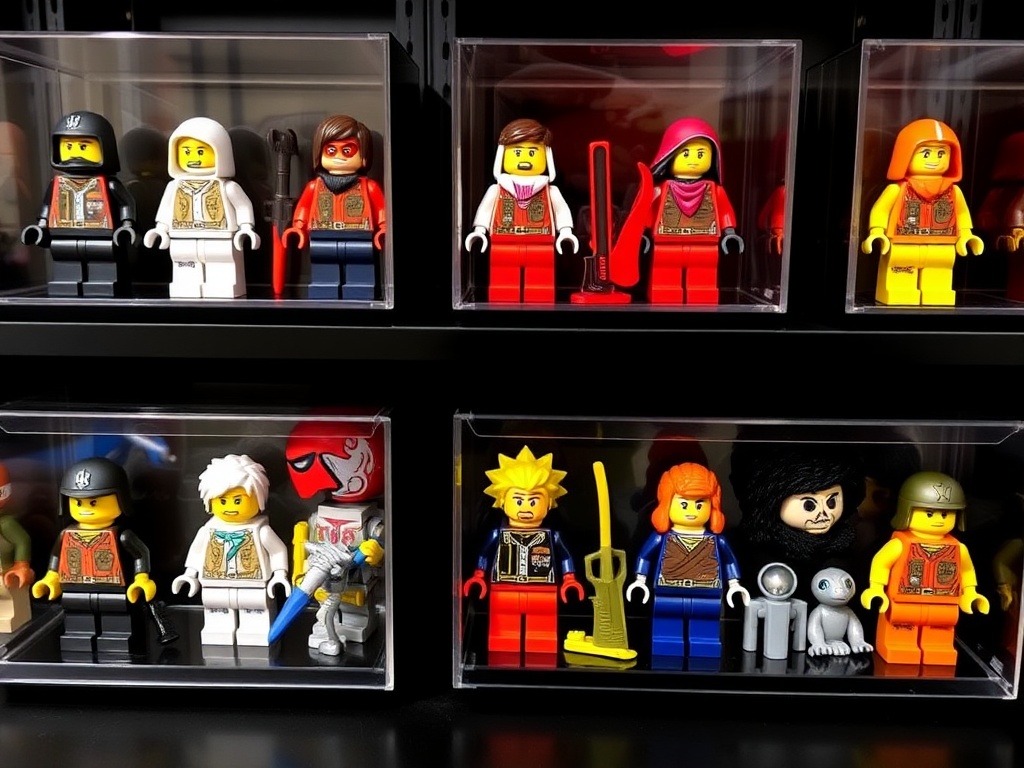
The trick: store your minifigures individually mounted on studs inside enclosed, low-light display cases with controlled spacing.
It sounds simple. It’s not. The details are what separate a clean, long-term collection from one that slowly degrades.
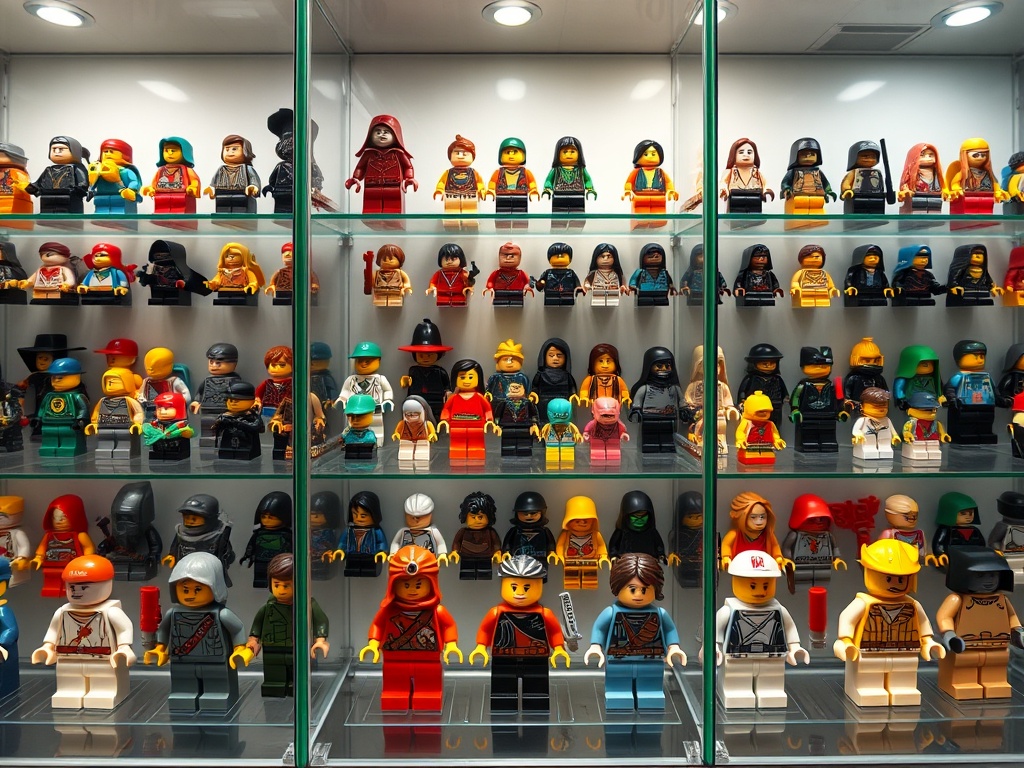
Why Most Storage Methods Fail (Even Expensive Ones)
Collectors tend to optimize for visibility or space efficiency, not preservation. That’s where things go wrong.
Open shelving looks fantastic in photos but exposes your figures to UV light, airborne dust, and temperature swings. Over time, that means yellowing torsos, dulled prints, and grime settling into seams.
Plastic bins and drawers solve the dust problem but create a different issue: friction. Minifigures rubbing against each other—especially printed torsos and legs—leads to micro-scratches you won’t notice until resale photos.
Then there’s the classic mistake: storing assembled figures loosely. When arms, hands, and legs shift under pressure, the clutch power weakens. That “loose minifig feel” is almost always a storage problem, not a manufacturing one.
Even premium display cases can fail if figures are packed too tightly or exposed to direct light.

The Core Principle: Isolation + Stability
Every long-lasting collection follows two rules:
- Isolation: each minifigure should have its own defined space
- Stability: no unnecessary movement once placed
That’s why stud-mounting inside enclosed cases works so well. You’re eliminating friction, minimizing handling, and locking each figure into a stable position.
Think of it like museum storage rather than toy storage. You’re preserving condition first, displaying second.
Once you shift into that mindset, your entire setup improves.
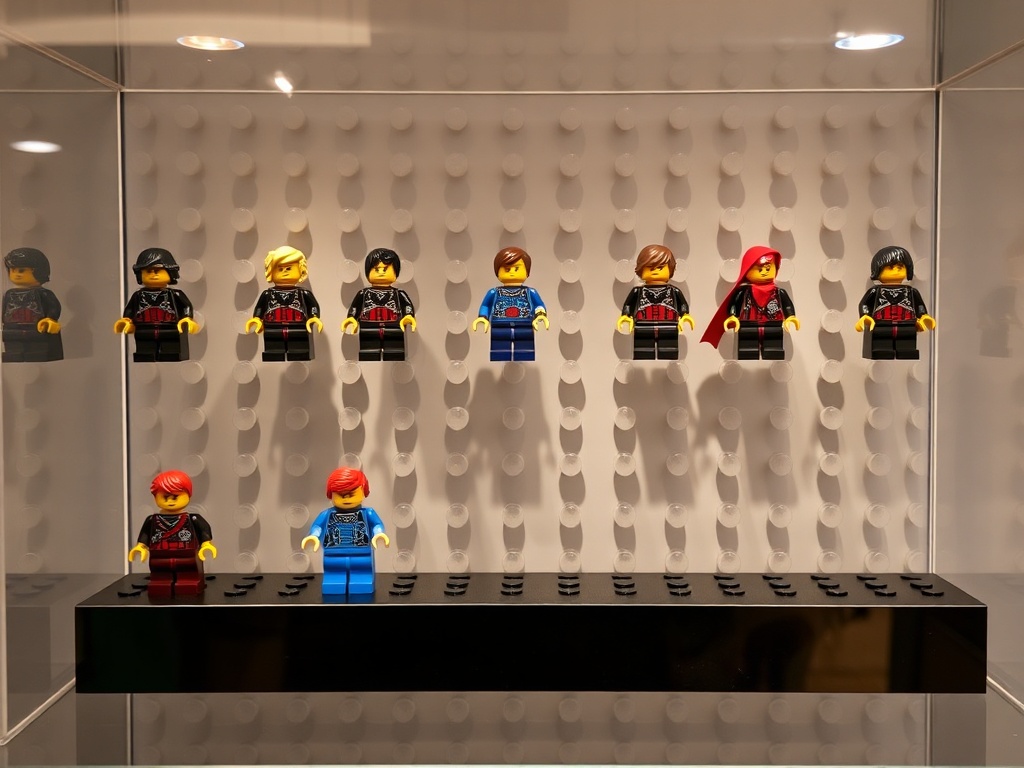
How to Set It Up Properly (This Is Where Most People Slip)
Mounting figures on studs is easy. Doing it correctly is not. Here’s what actually matters:
1. Use Baseplates or Stud Rails—Not Loose Plates
Loose plates slide around inside cases, especially when moved. Instead, secure baseplates or fixed stud rails so every position is locked in place.
2. Leave Breathing Room
Don’t cram figures shoulder-to-shoulder. Tight spacing increases the risk of accidental contact during placement or removal. Aim for a small gap between each figure—it makes a bigger difference than you’d expect.
3. Avoid Direct Sunlight Entirely
Even indirect sunlight can fade prints over time. Position your display away from windows or use UV-protective cases if that’s not possible.
4. Control Dust at the Source
Enclosed cases reduce dust, but they don’t eliminate it. Clean the interior before placing figures and avoid frequently opening the case unless necessary.
5. Keep Temperature Consistent
Extreme heat softens plastic slightly, which can affect clutch over time. Keep your collection in a stable indoor environment—not near radiators, vents, or attics.
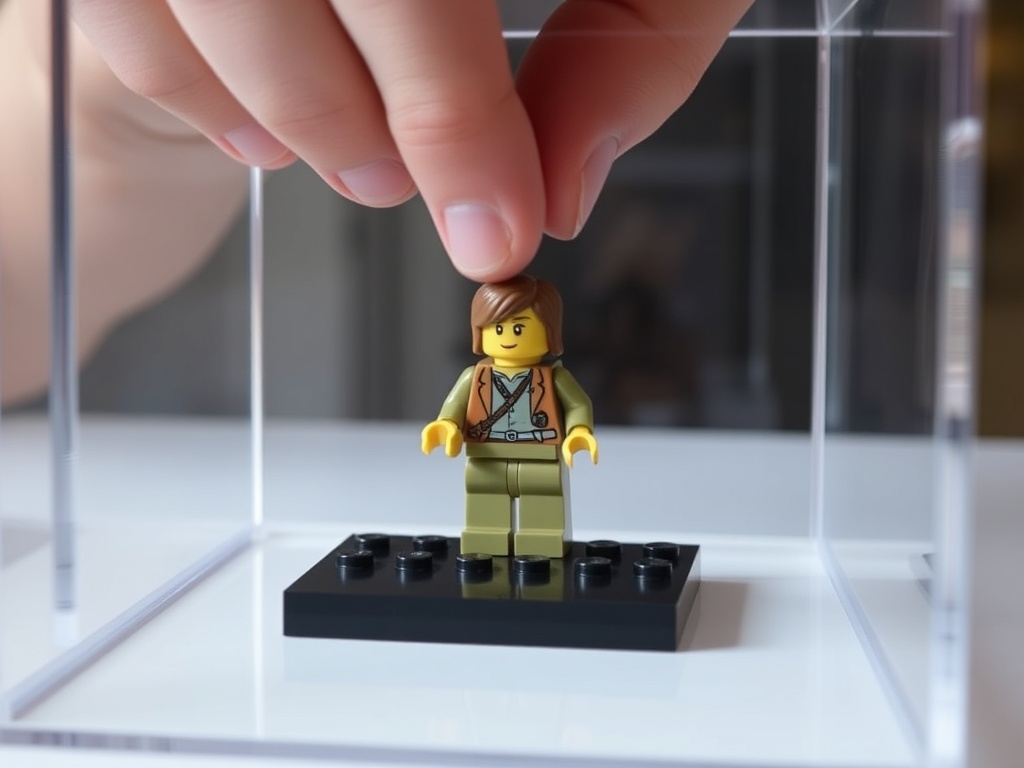
The Hidden Benefit: Your Collection Becomes Easier to Manage
This method doesn’t just protect your figures—it makes your collection easier to track, photograph, and enjoy.
When each minifigure has a fixed position, you instantly know what’s missing, what’s been moved, and what needs attention. That’s invaluable if you’re rotating displays or preparing figures for sale.
It also makes photography dramatically easier. No more rearranging or cleaning before every shot. The figures stay presentation-ready.
Collectors who adopt this system tend to handle their figures less overall, which further reduces wear.
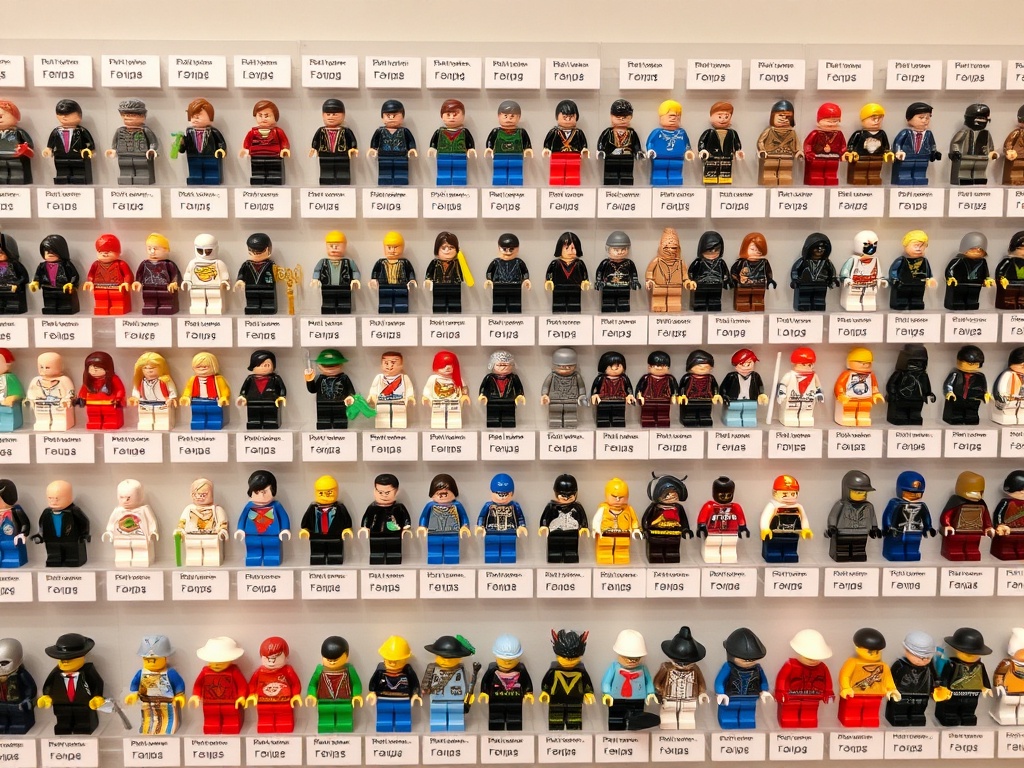
What About Rare or High-Value Minifigures?
If you’re dealing with high-value pieces, this approach becomes non-negotiable.
For figures with delicate prints, unique accessories, or older plastic blends, consider taking it one step further:
- Store accessories separately in labeled compartments
- Use soft inserts for especially fragile pieces
- Limit repositioning to absolute necessity
There’s always a balance between display and preservation. For rare figures, lean heavily toward preservation.
A pristine minifigure holds value. A slightly worn one doesn’t recover.
The Mistake That Ruins This Entire System
There’s one habit that cancels out all of this effort: frequent handling.
Even with perfect storage, constantly removing and reposing minifigures introduces wear. Hands loosen, arms soften, and prints degrade from skin oils.
If you want your collection to last, treat handling like a controlled activity—not a default behavior.
Enjoy the display. Interact occasionally. But don’t cycle figures in and out daily unless you accept the trade-off.

Why This Works Long-Term
This system succeeds because it addresses every major risk at once:
- No friction between figures
- Minimal dust exposure
- Reduced UV damage
- Stable positioning
- Less handling overall
Most storage solutions fix one or two of these problems. This fixes all of them simultaneously.
And that’s the difference between a collection that looks good now and one that still looks good five or ten years from today.
If you only change one thing about how you store your minifigures, make it this.