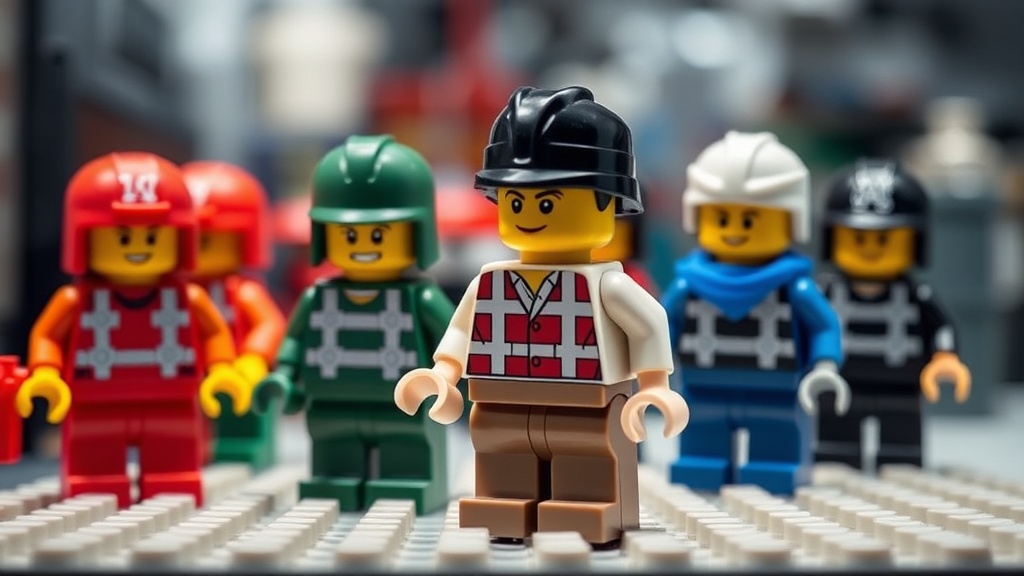
Why Do Identical Minifigures Have Subtle Factory Variations?

What causes the subtle differences between minifigures made in different LEGO factories?
Here's something that'll make you look twice at your collection — LEGO operates six manufacturing facilities across Denmark, Mexico, Hungary, China, the Czech Republic, and most recently Vietnam, and minifigures produced at each location carry microscopic signatures that dedicated collectors have learned to spot. These aren't quality control errors. They're the natural result of molding processes, plastic pellet sourcing, and tooling maintenance schedules that vary slightly from plant to plant. This guide breaks down what factory variations actually look like, why they happen, and whether they matter for your collection's value or your personal appreciation of these tiny plastic figures.
Factory variations show up in places most casual observers never examine. The inner stud hollows — those small tubes inside a minifigure's head or torso — might show slightly different mold pattern marks. Neck posts can have barely perceptible seam lines in different positions. Even the color saturation shifts subtly between facilities due to pigment mixing protocols and the specific ABS plastic suppliers each factory uses. The Mexico facility, for instance, often produces minifigures with marginally glossier finishes compared to their Danish counterparts, a difference that disappears under display lighting but becomes obvious when you hold two identical figures side by side under natural light.
How can you identify which factory produced your minifigure?
The most reliable method involves examining the mold numbers — tiny digit combinations stamped inside legs, torsos, and head pieces. LEGO marks each mold cavity with a unique identifier, and these numbers correlate to specific manufacturing locations. A mold number starting with certain prefixes or containing specific patterns indicates production origin. The BrickLink catalog maintains extensive documentation linking mold numbers to production periods and facilities, making it an invaluable resource for collectors trying to trace their figures' origins.
Element numbers — those small codes printed on LEGO bags and instruction manuals — also tell part of the story. Each element (every unique part in every color) receives a specific designation, and tracking these through inventory databases reveals production patterns. Some minifigure elements only appeared from specific factories during particular production runs. The Rebrickable database tracks these element-to-factory relationships through user-submitted data, creating a crowdsourced map of LEGO's global production footprint. Serious collectors photograph these markings and maintain spreadsheets documenting the factory origins of their figures, treating these variations as an additional layer of collectible metadata.
Physical characteristics offer visual clues when mold numbers aren't visible. Chinese-factory minifigures occasionally display slightly different arm socket tolerances — the connection between torso and arm might feel marginally tighter or looser compared to European-produced equivalents. Hungarian and Czech facilities often produce figures with subtly different plastic texture on accessory-holding hands, a result of cooling process variations in their injection molding equipment. These differences don't affect play functionality, but they create detectable fingerprints for experienced collectors running their fingers over the figures.
Do factory variations affect minifigure value in the collector market?
The short answer: sometimes, but rarely dramatically. Most factory variations carry minimal premium because LEGO maintains strict quality standards across all facilities — a figure from Mexico meets identical dimensional specifications as one from Denmark. However, certain transitional periods create scarcity that drives interest. When LEGO opened its Jiaxing, China facility in 2015, early production runs showed distinct characteristics before processes fully standardized, making those first-run figures mildly more desirable to completionist collectors. Similarly, the recent Vietnam facility startup has produced minifigures with documented early-production traits that some collectors actively seek.
True value premiums emerge around error figures — genuine production mistakes that escape quality control — rather than standard factory variations. A minifigure with misaligned printing, incorrect color plastic, or missing elements from any factory commands attention. But standard variations? They're conversation pieces, provenance markers, and interesting collection-organizing principles rather than investment vehicles. The real worth lies in the satisfaction of knowing your collection's backstory — understanding that the Star Wars bounty hunter on your shelf traveled from Billund, Denmark, while the castle knight beside it originated in Kladno, Czech Republic.
Some specialized collectors do pursue factory-complete sets — acquiring every minifigure from a particular series exclusively from one manufacturing location. This represents collection discipline rather than financial strategy. The challenge of sourcing sixteen different Collectible Minifigures series characters, all produced at the Monterrey, Mexico facility, adds a satisfying hunt dimension to the hobby. Online marketplaces like BrickOwl sometimes allow filtering by seller location, increasing odds of finding figures from specific regional distribution patterns.
Practical approaches to documenting factory origins
Start simple. Grab three or four identical minifigures from different sets released across multiple years and examine their inner cavities under decent lighting. A phone flashlight works surprisingly well. Photograph the mold numbers you find — they'll likely differ even among figures that look externally identical. Cross-reference these numbers against community databases, noting patterns in your collection inventory.
For new acquisitions, preserve packaging when possible. Box codes and bag printing often indicate production origin before you even open the set. Some collectors maintain separate storage for figures of known provenance, while others mix freely but keep detailed photographic records. Neither approach is superior — it depends on whether you value physical organization or digital documentation.
Share findings with the community. Factory variation documentation improves through collective observation, and your notice of a previously unrecorded mold number or production quirk adds to the knowledge base. The minifigure collecting community maintains active discussion threads about production observations, and new patterns emerge regularly as LEGO expands manufacturing capacity. Your shelf of plastic figures connects to a global industrial story — six factories, countless molds, millions of production cycles — and understanding those origins adds depth to every piece you own.