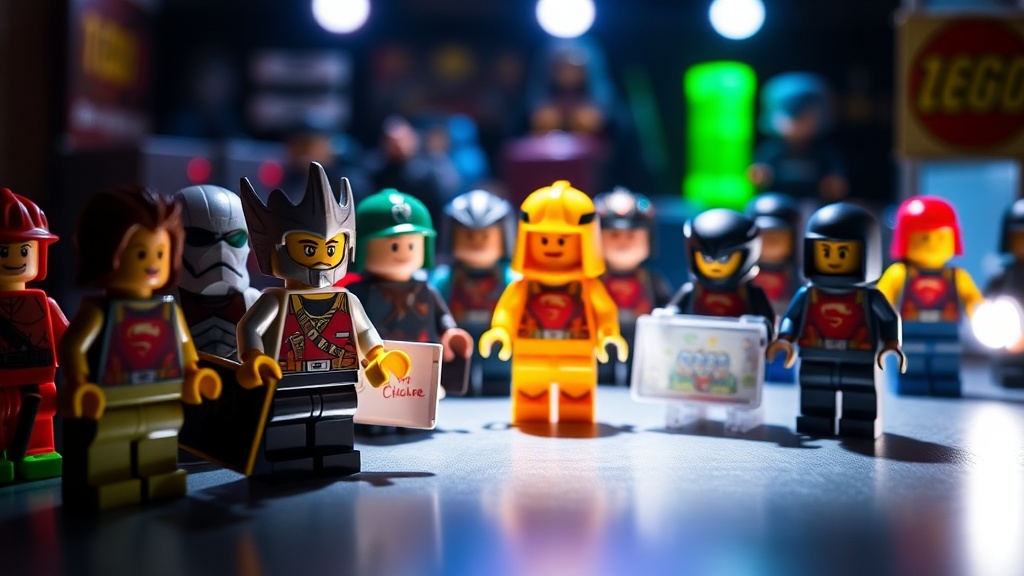
Why Your Minifigure Collection Needs Specialized Lighting

The Myth of "Set and Forget" Display
Many collectors assume that once a figure is behind glass, the work is done. They believe that if a display case is clean, the collection is safe. This is a mistake. Most people ignore the light hitting their shelves, yet light is one of the biggest silent threats to your plastic assets. Whether it's UV rays from a nearby window or the heat from an old LED strip, improper illumination can cause pigment degradation and structural shifts in your most prized pieces. It isn't just about seeing the detail; it's about preventing long-term damage.
When we talk about lighting, we aren't just discussing brightness. We are discussing color temperature, heat output, and light-induced aging. A figure that looks vibrant today might look washed out in two years because of a poorly placed desk lamp. This isn't just an aesthetic problem—it's a preservation problem. If you're investing hundreds of dollars into a single character, you can't afford to be careless with how you light them.
Which Light Source Is Safest for Plastic Figures?
The biggest debate in the community is often between LED and traditional bulbs. While LEDs are generally the winner, there are nuances to consider. Traditional incandescent bulbs emit significant infrared radiation, which translates to heat. This heat can actually soften the plastic over time, leading to that dreaded "stickiness" or warping. If you're using a display-specific light, stick to high-quality LEDs. They run much cooler and don't emit the same level of UV radiation that older lighting methods do.
However, not all LEDs are created equal. Some cheap, off-brand LED strips can have high-frequency flickers that are barely visible to the eye but can be problematic for digital photography or even long-term exposure. If you want to do things right, look for bulbs with a high Color Rendering Index (CRI). A high CRI means the light shows the true colors of the plastic and print. A low CRI light might make a bright red cape look dull or brownish, which ruins the visual impact of your collection. You can check more about light quality standards on the Department of Energy website to understand how light properties affect energy and heat.
How Do I Prevent UV Damage to My Minifigures?
UV radiation is the enemy of pigment. It breaks down the chemical bonds in the ink used for printing faces and torsos. This is why many vintage figures have slightly faded features compared to modern ones. To combat this, you shouldn't just rely on the light source; you need to manage the environment. If your display sits near a window, even with a UV-coated glass, the indirect sunlight can still do damage over a long period. It's a slow process, but it's permanent.
One way to mitigate this is by using UV-filtering film on your windows or using display cases that specifically mention UV protection. While no plastic is truly invincible, a controlled environment significantly extends the life of the colors. If you're serious about your collection, you should also look into the materials used in your display cases. Acrylic, for instance, can offer some protection, but it's not a total shield. A good rule of thumb: if you can see the color fading on a piece of paper under your light, your figures are at risk too.
Can Light Heat Affect the Physical Shape of Figures?
Yes, it absolutely can. We often focus on the color, but the structural integrity of the plastic is just as important. Excessive heat from a light source can cause the plastic to expand and contract. This cycle of expansion and contraction—often called thermal cycling—can lead to micro-cracks or even cause parts like hair pieces or capes to lose their shape. If you've ever noticed a figure leaning slightly or a piece feeling "loose," it might be due to the temperature fluctuations in your display area.
To avoid this, ensure there is a bit of airflow around your display. Don't cram your figures into a tiny, airtight box with a bright light inside. That creates a miniature greenhouse effect. A little bit of space allows heat to dissipate. If you're using a glass cabinet, don't place it directly against a wall that gets warm from a heater or a sunny window. Keeping the temperature stable is just as important as keeping the light levels consistent. For more technical data on how materials react to heat, the National Institute of Standards and Technology provides excellent resources on material science and environmental testing.
A Checklist for Better Display Lighting
Before you turn on your display, run through this quick checklist to ensure you aren't accidentally harming your collection:
- Check the Heat: Touch your display case after it has been on for an hour. If it feels warm, your light source is too close or too powerful.
- Verify the CRI: Ensure your bulbs have a CRI of 90 or higher for the most accurate color representation.
- Distance Matters: Keep light sources at least 6-12 inches away from the actual figures to prevent localized heat spots.
- Monitor the Color: Every six months, check your brightest colors (reds and yellows are most prone to fading) against a known reference to see if any shifts have occurred.
It might seem like overkill to worry about a little bit of light, but for a collector, these details are what separate a messy shelf from a professional-grade exhibition. Your figures deserve to be seen, but they also deserve to stay in mint condition. Don't let a cheap light bulb ruin a decade of collecting.