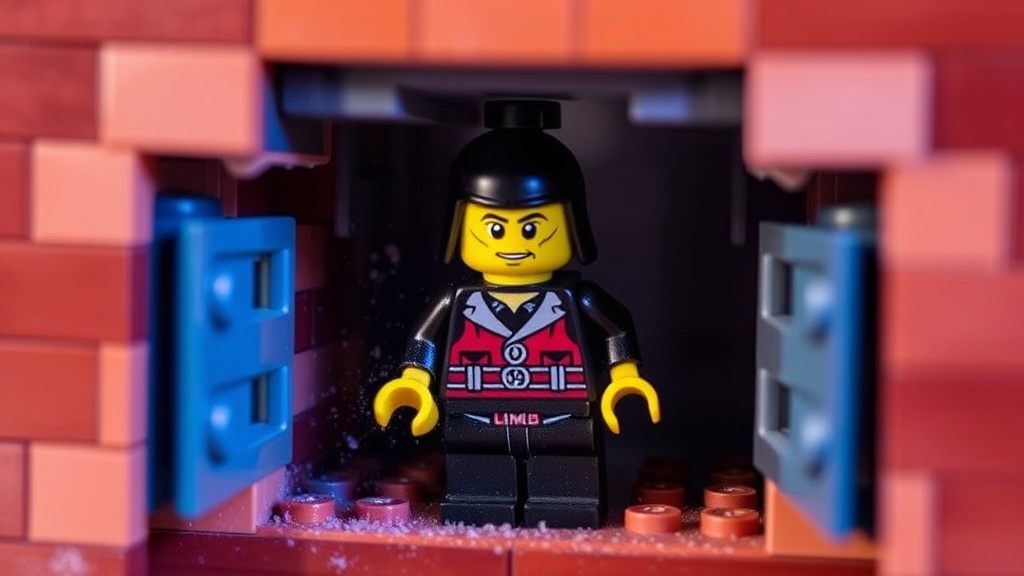
Cleaning Dust From Hard-to-Reach Minifigure Crevices

Cleaning Dust From Hard-to-Reach Minifigure Crevices
This post provides specific techniques for removing dust and debris from the tight gaps in LEGO minifigures without causing surface damage. You'll learn how to use specialized tools for arm joints, neck openings, and hairpiece grooves, ensuring your collection stays pristine and display-ready.
Dust is the natural enemy of any serious collector. It settles into the seams of a torso or the hollow interior of a helmet, and once it gets stuck there, standard wiping won't touch it. If you're not careful, you might end up scratching the plastic or even loosening a piece while trying to be thorough. (Trust me, I've seen way too many people use a toothpick and regret it later.)
The goal is to remove the debris while maintaining the integrity of the print and the shine of the plastic. We aren't just dusting a shelf here; we're maintaining an investment.
What Are the Best Tools for Cleaning Minifigure Crevices?
The best tools for cleaning tight spaces are soft-bristled brushes, air blowers, and specialized precision tweezers. You want to avoid anything abrasive or anything that could leave a residue on the ABS plastic.
A common mistake is grabbing a toothbrush that's too stiff. While a toothbrush is a staple in many households, a standard one might be too aggressive for a high-end collectible. Instead, look for brushes designed for fine detail work—the kind used for cleaning computer components or even high-end camera lenses.
Here is a quick breakdown of the toolkit you should assemble:
- Compressed Air (Air Dusters: Use short, controlled bursts. Don't hold the nozzle too close or the pressure might be too high for delicate parts.
- Fine-Tip Brushes: Look for makeup brushes or specialized fine-tipped brushes. These are soft enough to lift dust without scratching.
- Microfiber Cloths: These are for the large surfaces, but they can also be used to wrap around a tool to add a bit of "grip" for stubborn debris.
- Silicone Brushes: These are great for getting into the deeper grooves of a helmet or hairpiece without the stiffness of nylon.
If you are dealing with a particularly messy figure, you might find that a simple dry brush isn't enough. However, before you reach for liquids, make sure you've tried the dry methods first. Water or soap can sometimes leave a film if not rinsed perfectly, which can lead to yellowing on white parts over time due to residue buildup.
How Do I Clean the Inside of a Minifigure's Head or Helmet?
To clean the inside of a head or helmet, use a combination of a soft air blower and a fine-tipped brush. This prevents you from having to physically scrub the interior, which can be difficult and risky.
The interior of a LEGO head or a helmet has a lot of surface area that is invisible to the eye but can collect skin oils or dust. If you're displaying these figures, that dust can eventually migrate to the exterior.
First, use a hand-held air blower—the kind used for photography—to blow out the interior. This is much safer than compressed air from a can, which can be freezing cold and actually cause the plastic to become brittle or even crack if sprayed directly into a small space.
If the dust is stuck, a small, soft-bristled brush can be inserted. Move the brush in a circular motion to lift the particles out. Don't force the brush in; if it feels like you're applying pressure, you're doing it wrong. The brush should just barely touch the surface.
If you're dealing with a helmet that has a complex shape, try this:
- Hold the helmet upside down over a clean, dark surface (like a black micro fiber cloth).
- Use the air blower to clear the bulk of the dust.
- Use a fine-tipped brush to sweep the interior walls.
- Repeat until the surface is clear.
It's a tedious process, but it keeps the display looking sharp. A single speck of dust inside a translucent piece can ruin the aesthetic of a high-value figure.
Can I Use Water or Soap to Clean My Figures?
Yes, you can use lukewarm water and a very mild soap, but you must avoid hot water and harsh chemicals. Water and a tiny bit of dish soap can dissolve oils and grime that air alone won't touch.
I'm very picky about this. You should never use anything more aggressive than a mild, pH-neutral soap. Avoid things like hand sanitizer, alcohol-based cleaners, or heavy-duty degreasers. These can strip the gloss from the plastic or, even worse, dissolve the printing on the face or torso.
If you've already dealt with stubborn scratches on surfaces, you know how sensitive the finish can be. Harsh chemicals will only make the surface more prone to damage.
Here is a comparison of cleaning methods to help you decide which one to use for your specific situation:
| Method | Best For... | Risk Level | Pros/Cons |
|---|---|---|---|
| Air Blower | Light dust, loose debris | Very Low | Fast, no contact with surface. |
| Soft Brush | Grooves, hairpieces, armor | Low | Reaches crevices, but can scratch if too stiff. |
| Soap & Water | Oils, stuck-on grime | Moderate | Deep cleans, but requires careful drying. |
| Alcohol/Solvents | DO NOT USE | High | Will destroy prints and surface finish. |
If you go the soap and water route, make sure the water is lukewarm—never hot. Hot water can warp the plastic or cause parts to expand and contract too quickly. After washing, rinse the figure thoroughly in clean water. You don't want any soap residue left behind, as this can attract more dust later.
Once washed, let the figure air dry on a lint-free cloth. Do not use a paper towel, as the fibers can actually leave more lint behind. It's a bit of a paradox, but a clean microfiber cloth or a dedicated drying rack is your best bet.
One thing to watch out for: if you are cleaning a figure with a custom or highly detailed print, be extremely cautious. Even a soft brush can occasionally catch an edge. I always recommend testing your method on a common, low-value figure before moving on to your "grail" pieces. It's better to be safe than sorry.
If you find yourself cleaning your collection frequently, you might want to consider a display case with a seal. It's much easier to prevent dust than it is to remove it from every tiny crevice of a 1x1 stud.
Does anyone have a specific tool they swear by for the really tiny gaps? I've tried everything from toothpick-wrapped cotton to specialized dental-style picks, but I'm always looking for more refined ways to keep my collection looking new. Let me know in the comments.
Steps
- 1
Gather Soft Tools
- 2
Use a Soft Brush
- 3
The Air Bulb Method
- 4
Gentle Damp Wipe