Finding Rare Gems in Local Toy Stores

A collector walks into a dusty corner shop in a small town, eyes scanning the back shelves. They find a sealed, retired LEGO Star Wars set tucked behind a stack of generic board games. It's not a flashy display piece; it's just a forgotten box sitting in the dark. This post explains how to identify, locate, and secure high-value collectibles in local retail environments.
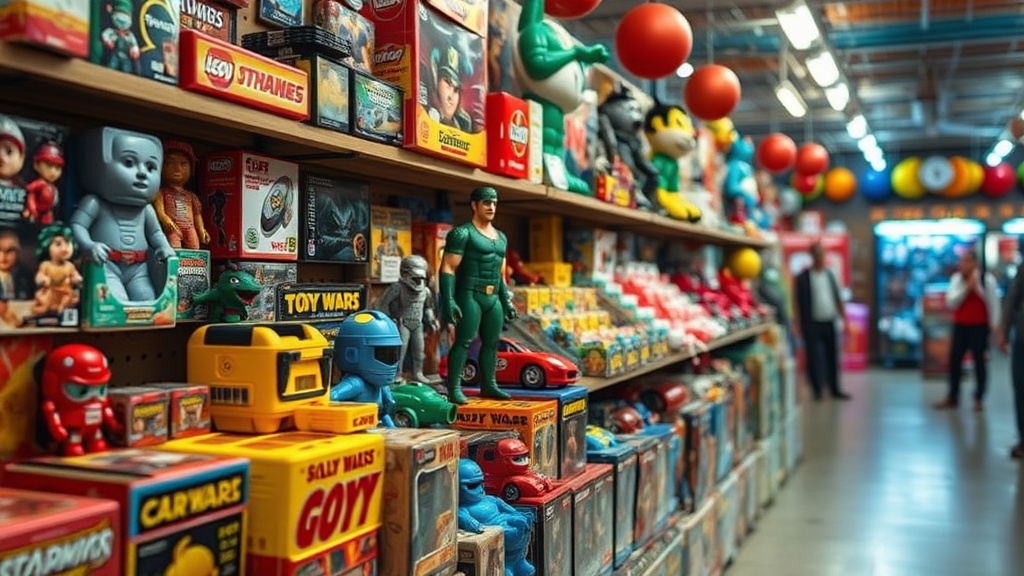
The hunt for rare figures and sets often feels like a full-time job. While the internet is great for convenience, the real treasures—the ones that haven't been snatched up by professional resellers—are often sitting in physical stores. You'll find them in the back aisles of local toy shops, independent hobby stores, or even general merchandise outlets. This guide breaks down the strategy for finding these gems without spending hours wandering aimlessly.
Where Can I Find Rare LEGO Minifigures Locally?
Finding rare minifigures locally requires looking in non-traditional spaces like independent toy stores, local hobby shops, and even thrift stores. While big-box retailers like Target or Walmart are great for current releases, they rarely carry retired or discontinued stock. You want to look for "mom and pop" shops that specialize in various toy brands or even local antique malls where collectors might offload old stock.
Specialty hobby stores are your best bet. These shops often stock items that have fallen out of the mainstream. They might have a bin of loose parts or a display case of older figures. Sometimes, these shops even carry niche brands like Funko or specialized action figure lines that overlap with the collector community. It's worth noting that these smaller shops often have much more character (and better finds) than a massive warehouse store.
Don't overlook the power of the "old school" method. Visit local flea markets or community-driven garage sales. You might find a vintage LEGO bin or a box of unorganized figures. It takes patience—and a bit of luck—but the payoff is often much higher than buying from a verified reseller online. Just remember to bring a small light or a magnifying glass to inspect the quality of what you find.
If you find something that looks suspicious, you should know how to check it. Before you spend a dime, make sure you aren't buying a counterfeit. I've written a detailed breakdown on identifying genuine LEGO minifigures to help you avoid the common scams found in local shops.
How Do I Know if a Minifigure is Rare?
You can determine if a minifigure is rare by checking its production-to-availability ratio, looking for retired status, or identifying specific limited-edition markings. A quick way to verify a figure's status is to cross-reference the part number or the set it belonged to using official databases like the official LEGO website or specialized fan-run wikis.
Here are a few signs of a high-value find:
- Retired Status: The figure or set is no longer in production.
- Unique Moldings: Certain hairpieces, helmets, or specialized armor shapes are harder to find.
- Limited Editions: Items released for specific events or as part of a limited series.
- Condition: A figure with an intact, uncreased cape or pristine printing is much more valuable.
If you find a figure with a cape, check it closely. A damaged or worn cape can significantly drop the value. I highly recommend reading about saving your minifigure cape from the dreaded crease to ensure your new finds stay in top shape.
Sometimes, the rarity isn't in the figure itself, but in the packaging. A sealed, "New in Box" (NIB) or "New in Sealed Polybag" (NIS) item carries a massive premium. If the box is dented or the seal is broken, the value drops—even if the figure inside is legendary. It's a subtle distinction, but collectors care deeply about the presentation.
What Should I Look for in the Toy Aisle?
Look for older branding, discontinued product lines, and unorganized "bulk" bins. Instead of just looking at the front-facing displays, scan the bottom shelves and the corners of the aisles where older inventory often gets pushed. The most profitable finds are often the ones that look "borer" or "older" to the untrained eye.
The following table compares what you'll typically find in different types of local stores:
| Store Type | Typical Find | Risk Level | Potential Reward |
|---|---|---|---|
| Big-Box Retailer | Current sets, popular themes | Low | Low (Standard items) |
| Independent Toy Store | Retired sets, niche brands | Medium | High (Hidden gems) |
| Thrift/Antique Store | Vintage/Old-stock LEGO | High | Very High (Rare finds) |
| Hobby Shop | Specialized/Limited figures | Low | Medium (Specific items) |
When you're browsing, don't just look for the "big names." Sometimes, a local shop might have a shelf of "miscellaneous" items. This is where the real magic happens. A box labeled "Old Toys" might contain a handful of 1990s-era figures that are worth ten times the box price. It requires a keen eye and a willingness to dig through the dust.
One thing to watch out for is the "dust factor." If a box is covered in a thick layer of dust, it's a sign it's been sitting there for a long time. This is usually a good thing for collectors! It means the inventory is old and likely retired. However, it also means you'll need to be careful about how you handle it. If you buy a dusty figure, you'll need to learn the right way to clean it. I've shared some tips on cleaning dust from hard-to-reach crevices to keep your collection pristine.
Don't forget to check the "clearance" sections. Retailers often mark down items that are taking up space. While these might not be "rare" in the sense of being a 1998 limited edition, they are often great ways to build a high-quality collection on a budget. A discounted current set is still a win for any collector.
Lastly, always keep an eye on the "miscellaneous" or "impulse buy" bins near the cash register. Small, single-figure polybags or small blind bags often end up there. It's a small investment, but you never know when a rare figure might be hiding in a $5 bin.