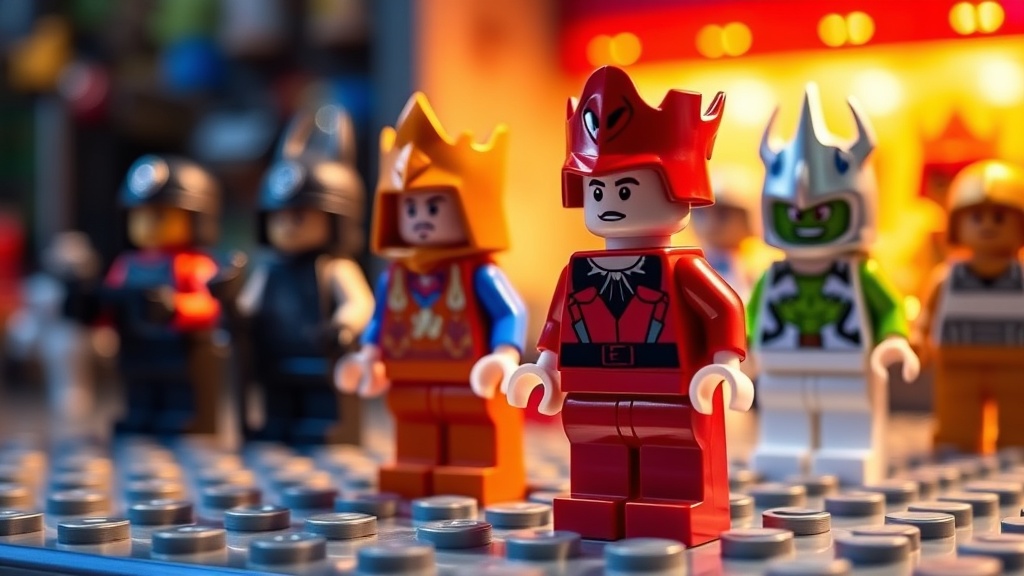
Smart Ways to Spot Genuine Minifigures Online

A collector in London recently spent $400 on what they thought was a pristine, vintage Star Wars minifigure, only to realize upon arrival that the torso print was a cheap, digitally-printed imitation. The figure looked fine in the blurry, low-resolution photos, but the texture was all wrong. This guide explains how to identify authentic LEGO minifigures by looking for specific physical markers, analyzing print quality, and verifying seller legitimacy to ensure your money goes toward real pieces.
How Can You Tell if a Minifigure is Real or Fake?
You can identify a genuine LEGO minifigure by examining the print sharpness, the consistency of the plastic texture, and the presence of the LEGO trademark on the legs or torso.
Authentic LEGO pieces are manufactured with high-precision molds and printing processes. When you hold a real figure, the plastic feels smooth and consistent. If you see tiny bubbles in the plastic or uneven edges on the limbs, you're likely looking at a knock-off. Most bootleg brands use cheaper plastics that feel slightly "greasy" or have a much sharper, more brittle edge than the standard LEGO ABS plastic.
The printing is another dead giveaway. On a real figure, the ink is embedded into the plastic or applied with extreme precision. On many fakes, the printing looks slightly "fuzzy" or sits on top of the plastic like a sticker. If the eyes or facial features look slightly crooked or blurry under a magnifying glass, walk away.
Check the neck peg and the stud tops. A genuine LEGO minif figure will have a very specific, tight fit. If the head feels incredibly loose or wobbles excessively, it might be a third-party imitation. It's a small detail, but it matters for long-term stability in your displays.
One of the most reliable ways to verify authenticity is to check for the LEGO logo. It is often found on the studs of the legs or occasionally on the torso of specific figures. While some older vintage pieces might have different variations, the standard for modern production is quite consistent. You can learn more about the history of these designs by reading about vintage minifigure eras.
Common Red Flags to Watch For
- Non-standard colors: If a figure has a color that seems "off"—like a neon shade that doesn't match official color palettes—be suspicious.
- Smell: This sounds strange, but many cheap knock-offs have a distinct chemical or "plastic-y" smell that official LEGO products simply do not have.
- Proportions: If the arms or legs look slightly too long or too short compared to standard figures, it's a fake.
- Inconsistent printing: Look for asymmetrical eyes or lopsided smiles.
Where is the Best Place to Buy Authentic Minifigures?
The best places to buy authentic minifigures are reputable secondary markets like BrickLink, official LEGO sets, and verified professional sellers on eBay.
BrickLink is the gold standard for collectors. Because it is owned by the LEGO Group, the community and the platform are built around the actual parts. When you buy here, you are often buying from collectors or professional dealers who understand the nuances of grading and authenticity. It's a bit more expensive than random auction sites, but the peace of mind is worth it.
If you're looking for a bargain, you might find yourself on eBay or even Facebook Marketplace. These are higher-risk areas. I've seen people sell "lots" of figures that are actually 50% bootleg. If a seller is offering a "huge collection" of rare Star Wars figures for a price that seems too good to be true, it almost certainly is. A real 1990s minifigure won't be sold for $2 in a bulk bin of 100 pieces.
Always check the seller's feedback history. A seller with 5,000 positive ratings and a history of selling LEGO-specific items is a much safer bet than a brand-new account with zero history. If they don't provide high-resolution photos of the actual figure, don't buy it. A single, clear photo of the torso and the legs is the bare minimum a professional seller should provide.
| Feature | Genuine LEGO | Common Bootleg/Fake |
|---|---|---|
| Plastic Texture | Smooth, high-quality ABS | Greasy, brittle, or uneven |
| Print Quality | Sharp, precise, embedded | Blurry, raised, or offset |
| Joint Tension | Firm and consistent | Loose or overly stiff |
| Markings | Clear LEGO branding | Missing or nonsensical text |
How Can I Verify a Figure's Value?
To verify a figure's value, you should check recent "Sold" listings on eBay and current prices on BrickLink to see the actual market rate.
The mistake many beginners make is looking at the "Asking Price" on eBay. That's just what a seller wants to get. It doesn't mean anyone is actually paying it. Instead, filter your search by "Sold Items." This shows you what people actually paid for that specific figure in the last 90 days. This is the only way to get a realistic sense of what a piece is worth.
Price is often a proxy for authenticity. A genuine, rare minifigure—like a classic 1970s space man—will have a high floor price. If you see a "rare" figure being sold for a price that wouldn't even cover the cost of a single piece of high-quality plastic, it's a red flag. Scammers often use high-value keywords to bait unsuspecting buyers.
It's also helpful to research the specific production year. Certain figures were only produced during specific years, and their value fluctuates based on their condition. A "Mint" figure is worth significantly more than one with "play wear." If you're buying a high-end collectible, make sure the seller defines the condition clearly. If you're worried about how to keep your pieces in that perfect condition, check out my guide on displaying and caring for your LEGO minifigs.
One thing to keep in mind: the market for collectibles is highly volatile. A figure that was worth $50 last year might be worth $80 this year due to scarcity. Always check multiple sources to ensure you aren't being overcharged or, worse, buying a fake that's being passed off as a high-value item. You can often find more technical data on the manufacturing standards of toys on the LEGO Wikipedia page or official brand documentation.
When you're looking at a listing, pay attention to the description. Does the seller mention "LEGO" or do they just say "building block figure"? The term "building block figure" is a common way to bypass trademark laws and is a massive warning sign. If they aren't willing to name the brand, they are likely selling a knock-off.
If you find yourself unsure, ask for a photo of the figure next to a scale or a coin. This helps you see the actual size and can reveal if the proportions are slightly off. A real LEGO minifigure has very specific dimensions that are hard to replicate perfectly in cheaper molds. The height, the width of the torso, and the diameter of the head are all part of its DNA.
Don't be afraid to ask a seller for a "macro" shot of the printing. If they refuse or claim they can't take one, they are likely hiding something. A legitimate seller who wants to make a sale will be happy to provide the evidence you need to feel confident in your purchase.