Vintage Minifigure Eras and Their Unique Design Evolutions

The Classic Yellow Era
The Advent of Specialized Parts
The Modern Highly Detailed Era
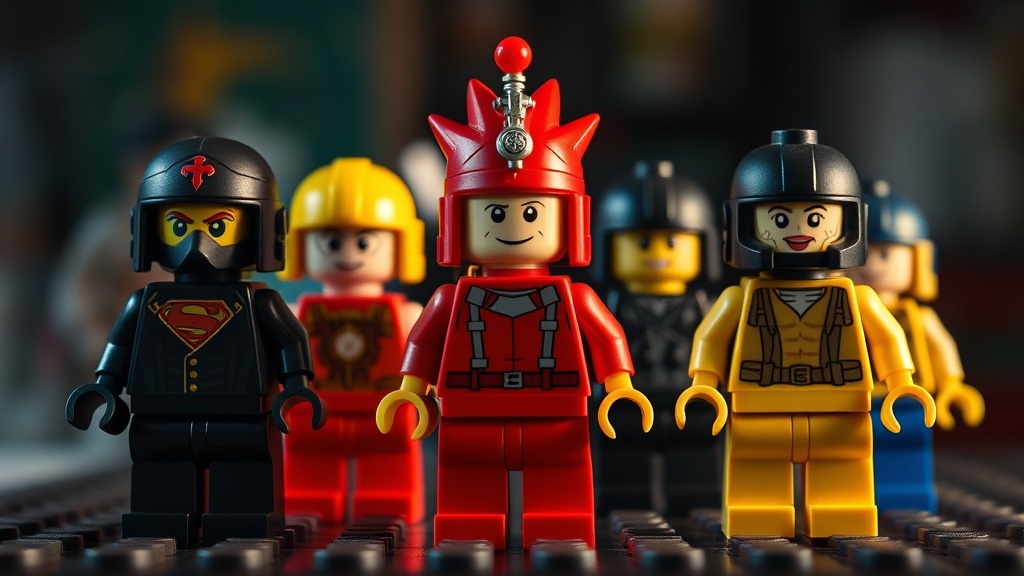
A 1978 classic Space Policeman looks nothing like a modern-day Star Wars figure, and that's by design. The evolution of the LEGO minifigure isn't just about better printing; it's a history of engineering and aesthetic shifts that changed how we play. This post breaks down the distinct eras of minifigure design—from the early, clunky classics to the highly detailed modern figures—so you can identify exactly what you're holding in your hand.
Understanding these shifts helps collectors identify rarity and value. If you're looking at an old bin of figures, you need to know if you've found a common relic or a high-value piece of history. We'll look at the technical changes in leg shape, head molding, and print quality that define each era.
What are the earliest LEGO minifigure designs?
The earliest LEGO minifigures, dating from the late 1970s to the early 1980s, are characterized by much simpler facial features and thicker, more rudimentary parts. These figures often lacked the refined "smile" or detailed expressions we see today. In fact, many early figures had very basic, single-color printing—sometimes just a single dot for an eye or a simple line for a mouth.
During this period, the "Classic Space" era, the focus was on iconic silhouettes rather than hyper-realism. You'll notice the legs often have a different taper than modern versions, and the hands might feel slightly more "blocky." The printing was often less precise because the technology for high-detail pad printing was still in its infancy. It's a charming, chunky look that collectors often call the "Classic Era."
One thing to watch for is the neck piece. Early figures sometimes had slightly different tolerances when attaching the head to the torso. It wasn't an error—it was just how the molds were calibrated back then. If you're a purist, these slight imperfections are actually part of the charm.
Notable characteristics of this era include:
- Simplified Printing: Minimalist facial expressions and basic torso designs.
- Standardized Parts: Fewer specialized hairpieces or accessories.
- Classic Colors: Heavy use of primary colors like bright red, blue, and yellow.
How much did LEGO minifigure printing change over time?
Printing evolved from simple, single-color applications to sophisticated, multi-layered digital printing that allows for incredibly detailed facial expressions and even 3D-effect textures. In the early days, a figure might only have two or three printed elements. Today, a single minifigure can have dozens of tiny details, including skin tones, blush, facial hair, and intricate clothing patterns.
The shift happened as pad printing technology became more advanced. This allowed LEGO to move away from the "smiley face" standard and toward specialized characters. Think about the difference between a generic 1980s town person and a modern Harry Potter or Star Wars character. The level of detail in the eyes alone is a massive leap forward. The modern figures even use specialized UV printing for certain elements to ensure they don't fade or rub off easily.
The transition wasn't just about faces. The torso printing also saw a massive upgrade. Early figures had very basic "chest" designs, whereas modern figures use highly detailed side-arm printing and even printing on the underside of arms for certain high-end sets. This level of detail is why modern collectors often focus on LEGO Star Wars figures—the printing is often much more complex and visually striking.
Here is a breakdown of how print quality and detail have evolved:
| Feature | Classic Era (1978-1990s) | Transition Era (2000s) | Modern Era (2015-Present) |
|---|---|---|---|
| Facial Detail | Single color, basic lines | Standard eyes and smiles | Complex expressions, blush, eyes |
| Torso Print | Single color, simple icon | Basic clothing patterns | High-detail, side-arm printing |
| Color Accuracy | High-contrast primaries | Standardized palettes | Nuanced, realistic skin tones |
Why do some older minifigures look different than new ones?
Older minifigures look different primarily because of changes in plastic injection molding and the evolution of accessory-specific parts. As LEGO expanded into licensed themes, they had to create more specialized parts—like unique hairpieces, helmets, and specialized limb shapes—that didn't exist in the original "System" design.
If you pick up a vintage figure, you might notice the "skin" color is slightly different. Early "flesh" tones weren't as consistent as the modern, standardized tones used today. Also, the way the legs attach to the hips has seen subtle tweaks over the decades to ensure better stability. This is why a vintage figure might feel a bit "looser" or "stiffer" than a modern one.
The rise of specialized themes changed the game. In the 90s, we saw more thematic elements like LEGO Castle or LEGO Pirates, which introduced different armor types and weaponry. These weren't just aesthetic choices—they were functional changes to the mold itself. If you're trying to display a collection that spans these eras, you might find that older figures don't always "sit" the same way in modern display cases. If you want to ensure your older pieces look their best, you might want to look into specialized lighting for your collection to highlight those subtle differences.
The evolution also includes the "parts" themselves. We've moved from standard heads to a massive variety of head shapes, including specialized head-molds for creatures and non-humanoid characters. This was a massive shift in how the brand approached the "minifigure" concept. It wasn't just a person anymore; it was a vessel for any character imaginable.
It's worth noting that some collectors actually prefer the "old school" look for its simplicity. There is a certain purity to the 1980s aesthetic that modern, hyper-detailed figures can't replicate. On the flip side, the modern era offers a level of immersion that makes roleplay and storytelling much more engaging. It really comes down to what you value in a collection: historical accuracy or modern detail.
If you're currently organizing a diverse collection, you'll likely run into these differences when sorting. To keep things looking sharp, you might find it helpful to follow tips for organizing your collection so that vintage pieces don't get lost among the modern ones. It's all about maintaining the integrity of each era's specific look.
Whether you're hunting for a rare 1980s Space figure or a highly detailed modern CMF (Collectible Minifigure), knowing these eras helps you spot the difference between a standard part and a historical piece. The evolution of the minifigure is a testament to how a simple toy became a global icon of design and storytelling.